PERCEPTION
Perceive & track
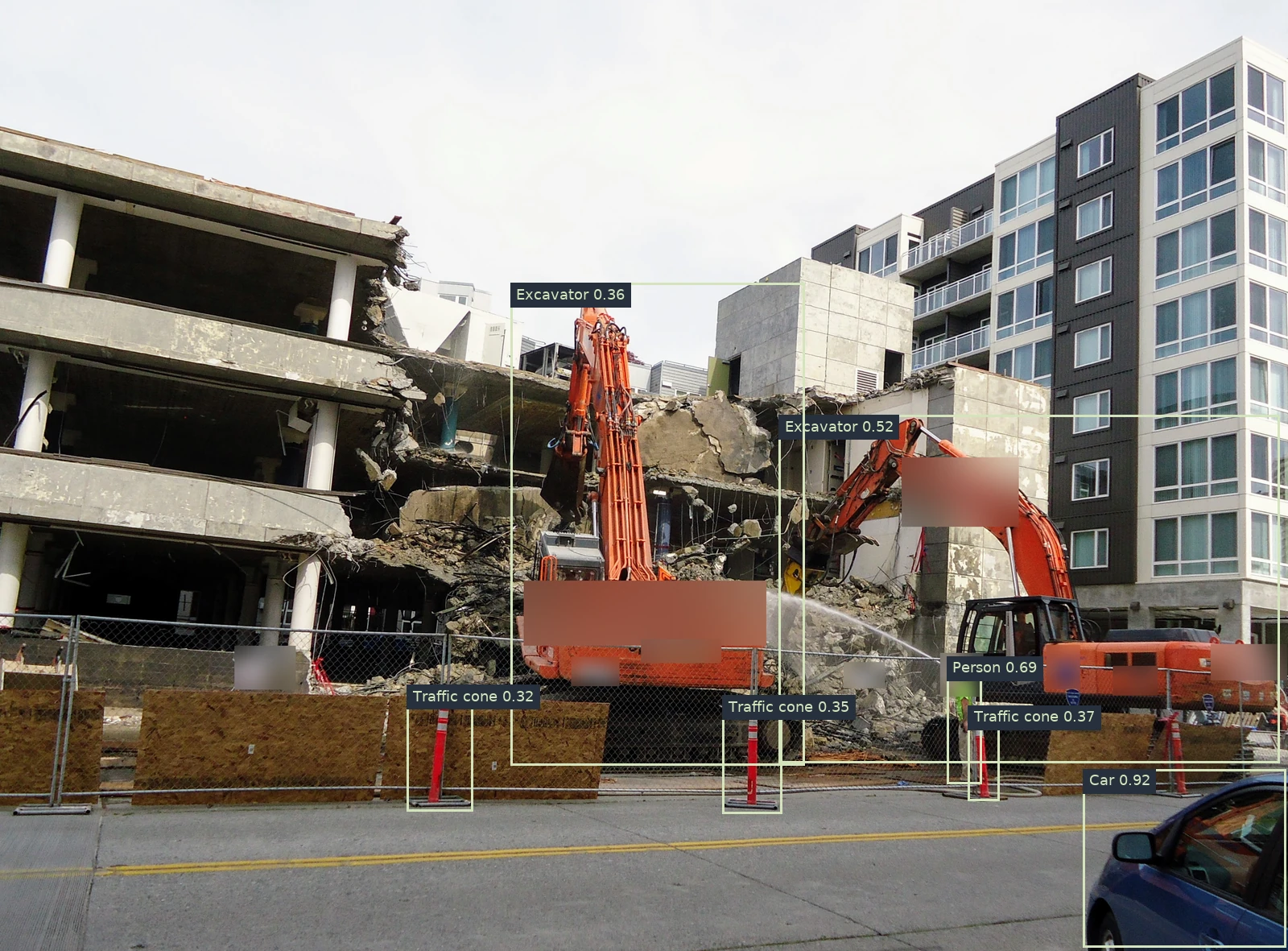
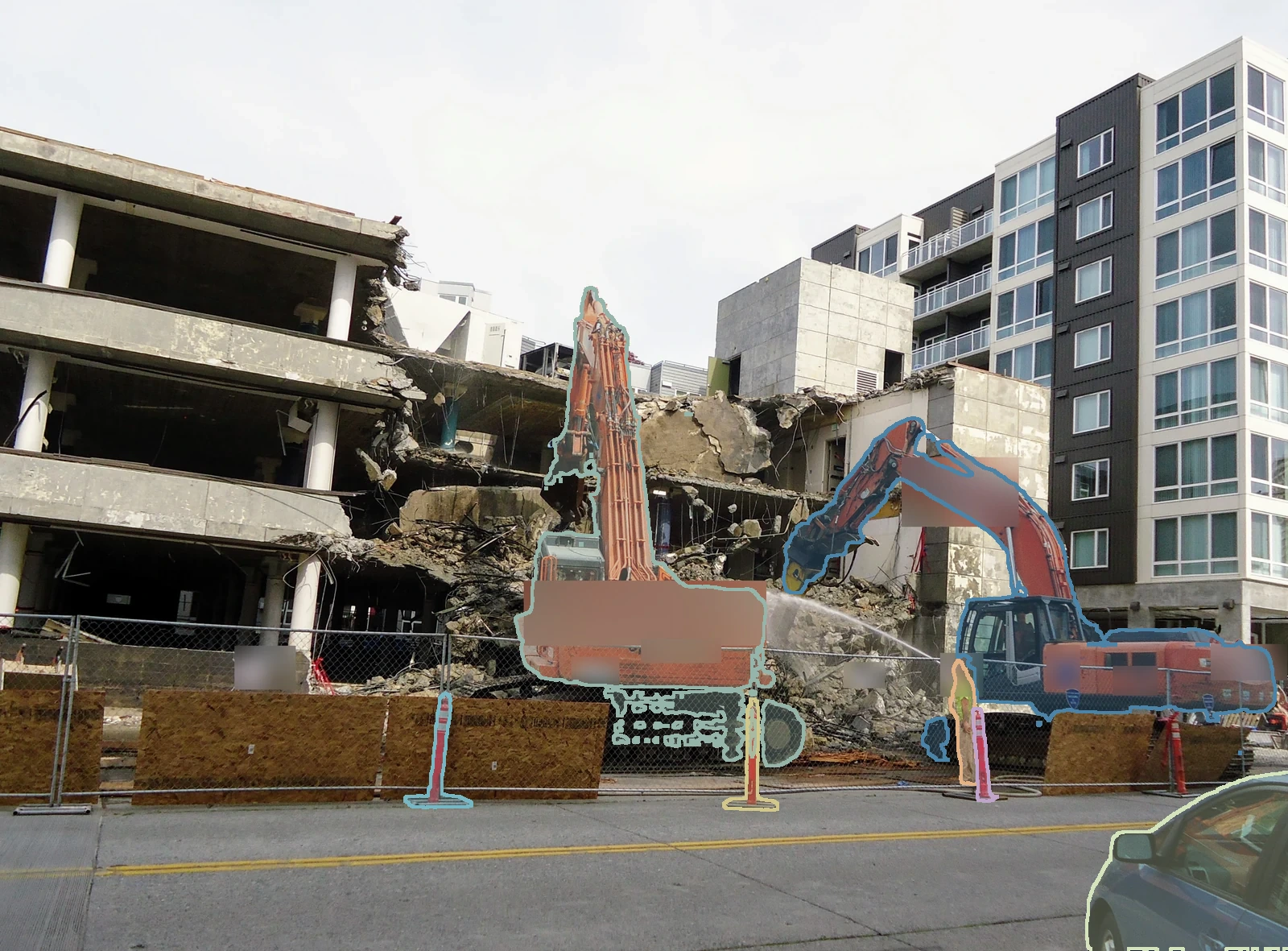
Recognize objects, segment what matters and follow it through motion.
Objects · Parts · People · Motion
AI · ROBOTICS · AUTONOMY
Machines that see the site, understand the job and work together.
Pazu Robotics builds the perception, reasoning and coordination that let vehicles and robots take on real work, starting with construction.
FLEET
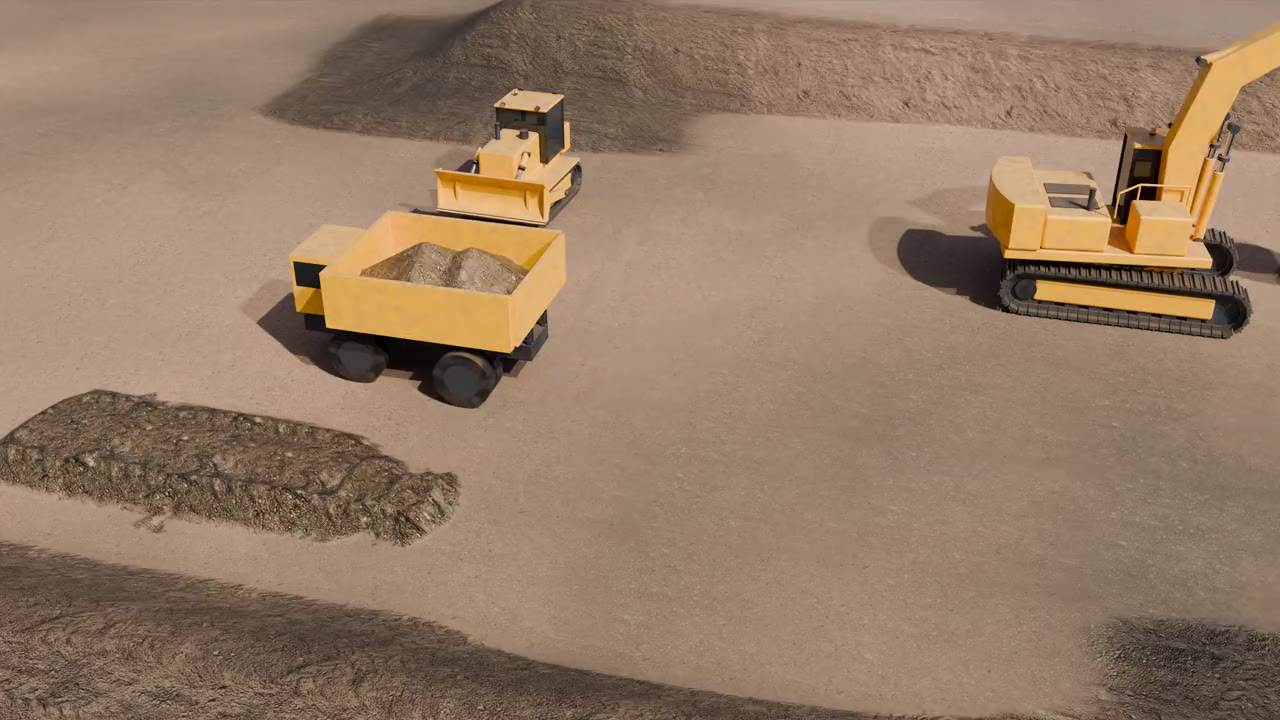
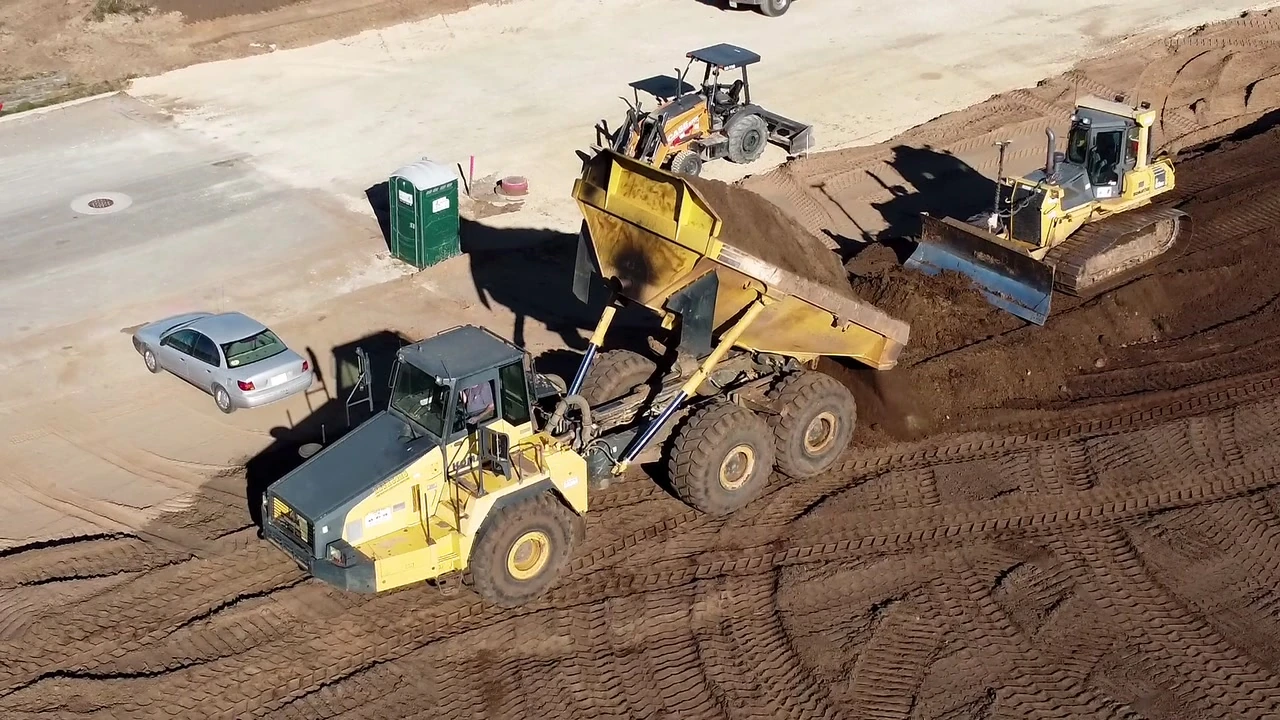
Describe the job once. A planner breaks it into steps for an excavator, a haul truck and a dozer, and they carry it out together: digging, loading, hauling, spreading and grading the pad, each working around the others.
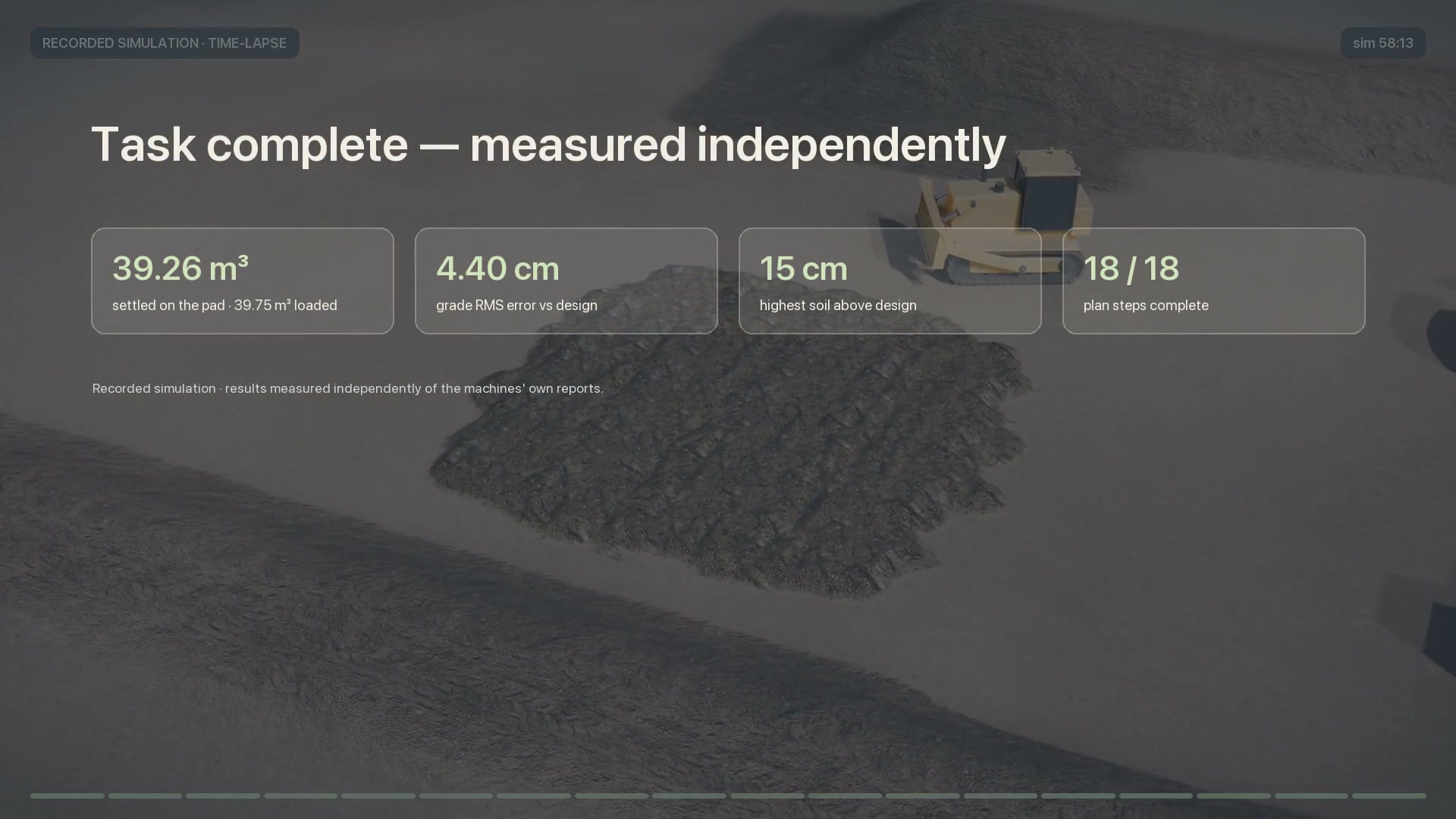
Load · Haul · Dump · Spread · Grade
Recorded simulation · results measured independently of the machines’ own reports.
BUILDING BLOCKS
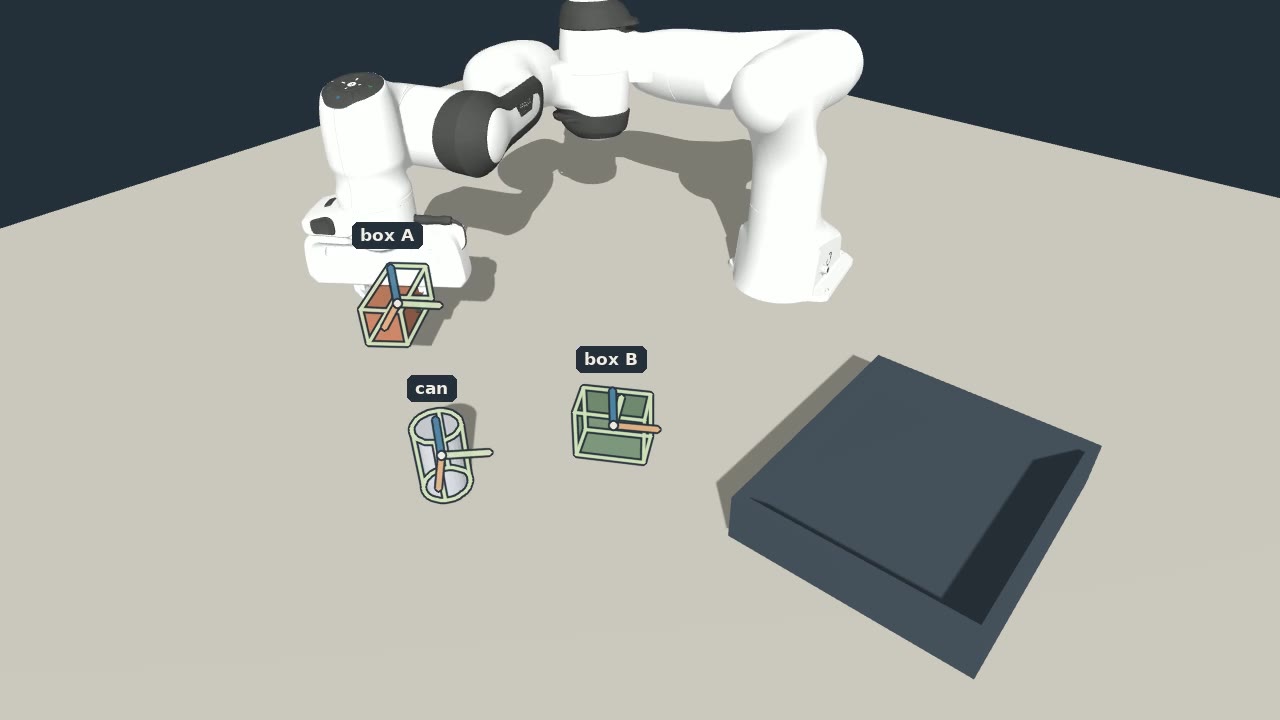
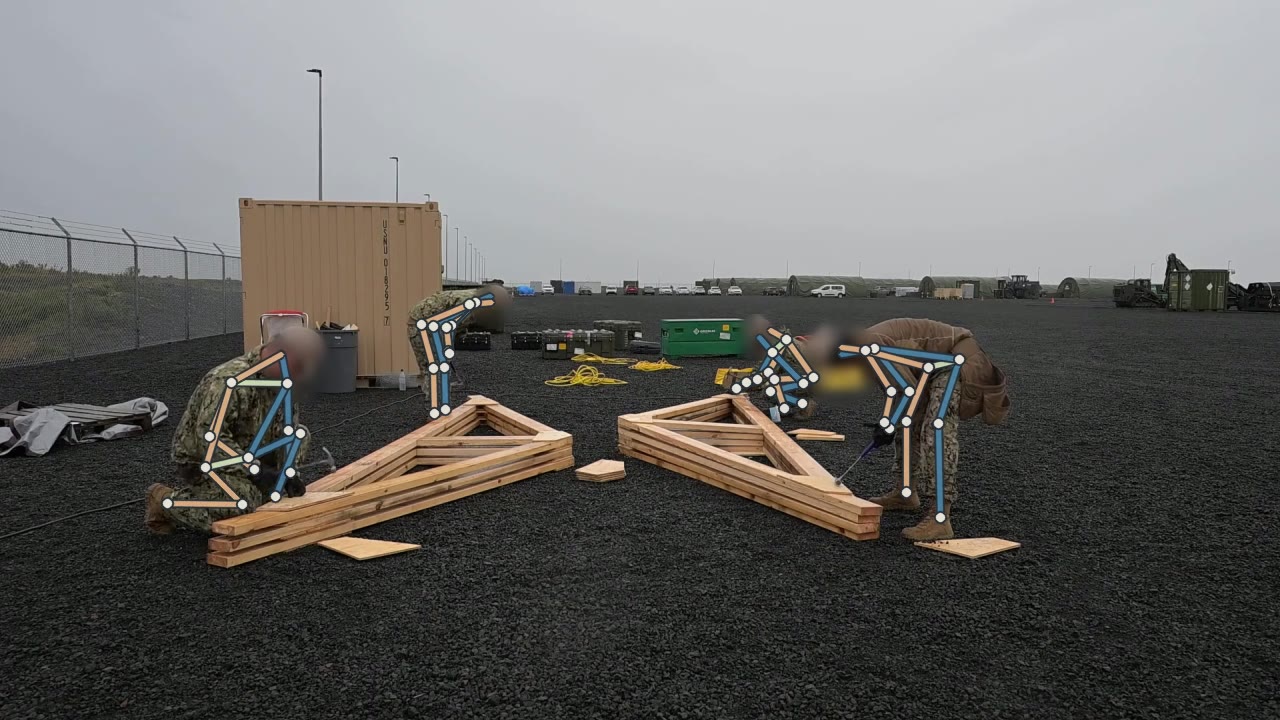
Each skill on its own, on real-world footage and in simulation: see the scene, find what matters, place it in 3D, answer questions about the work, and turn an instruction into motion.
PERCEPTION & SPACE
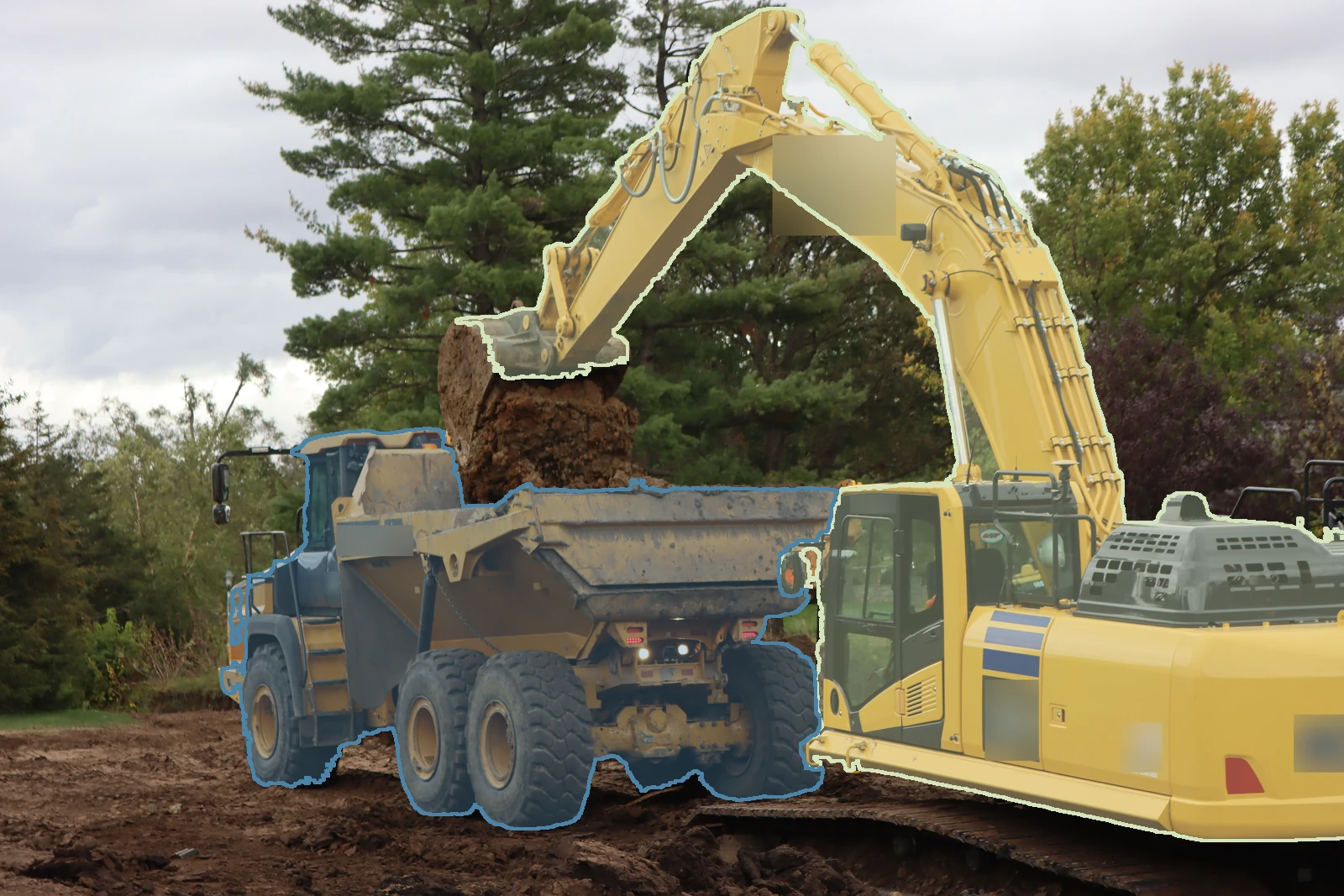
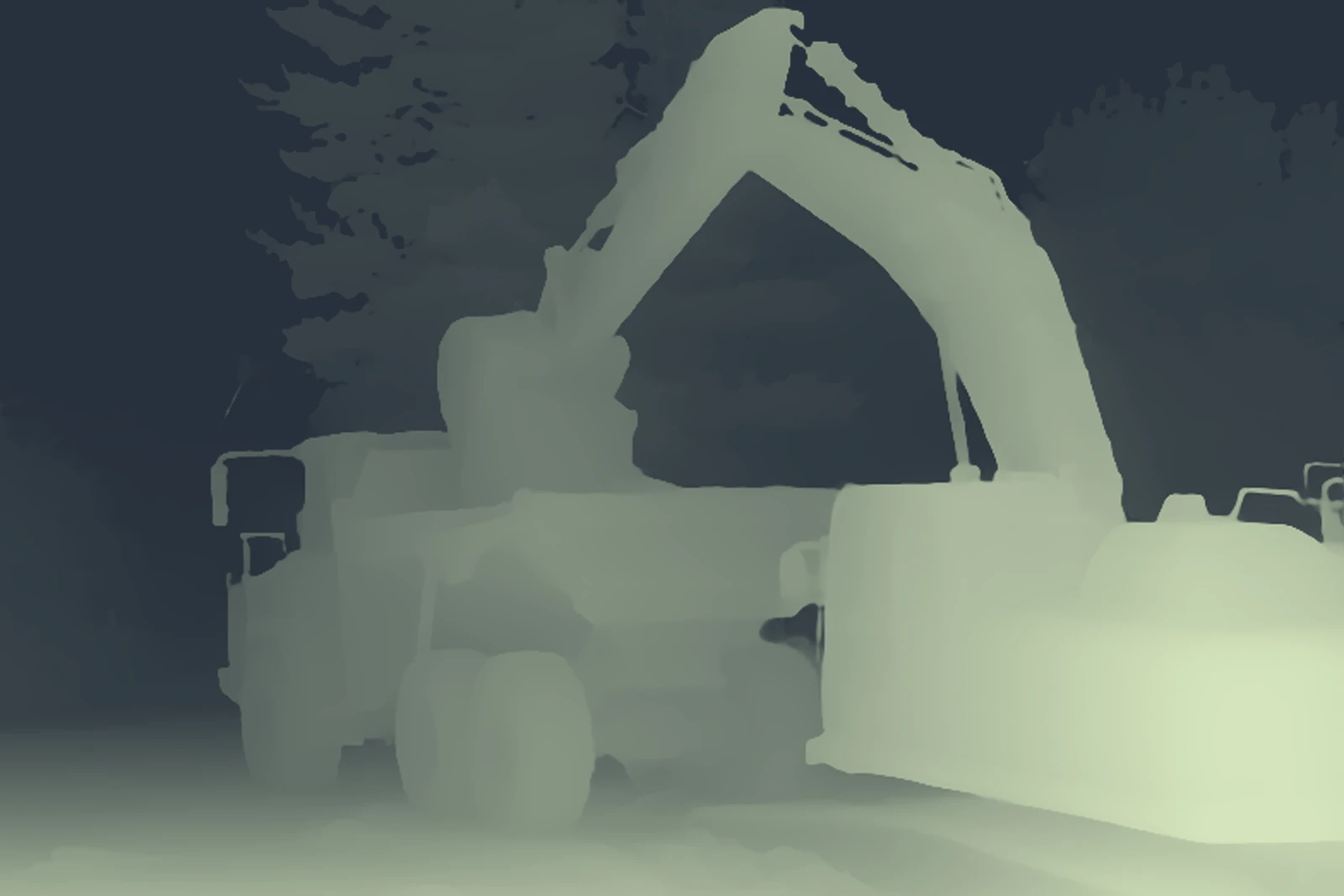
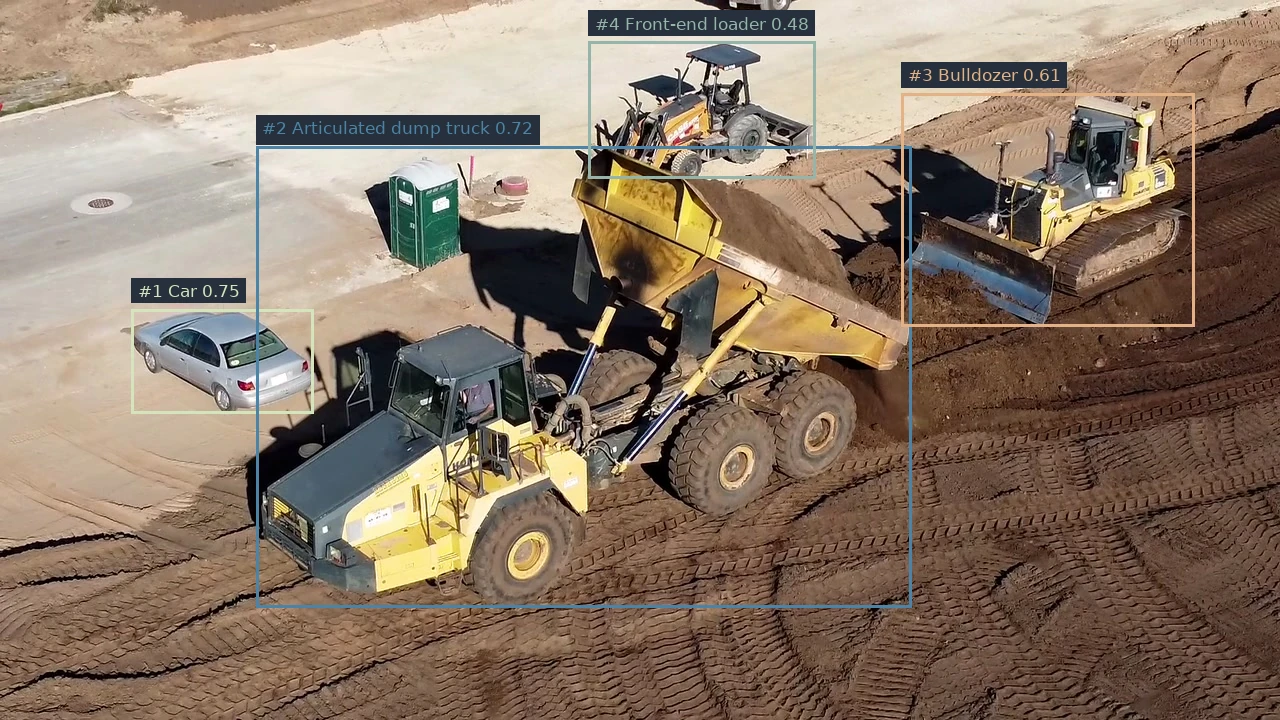
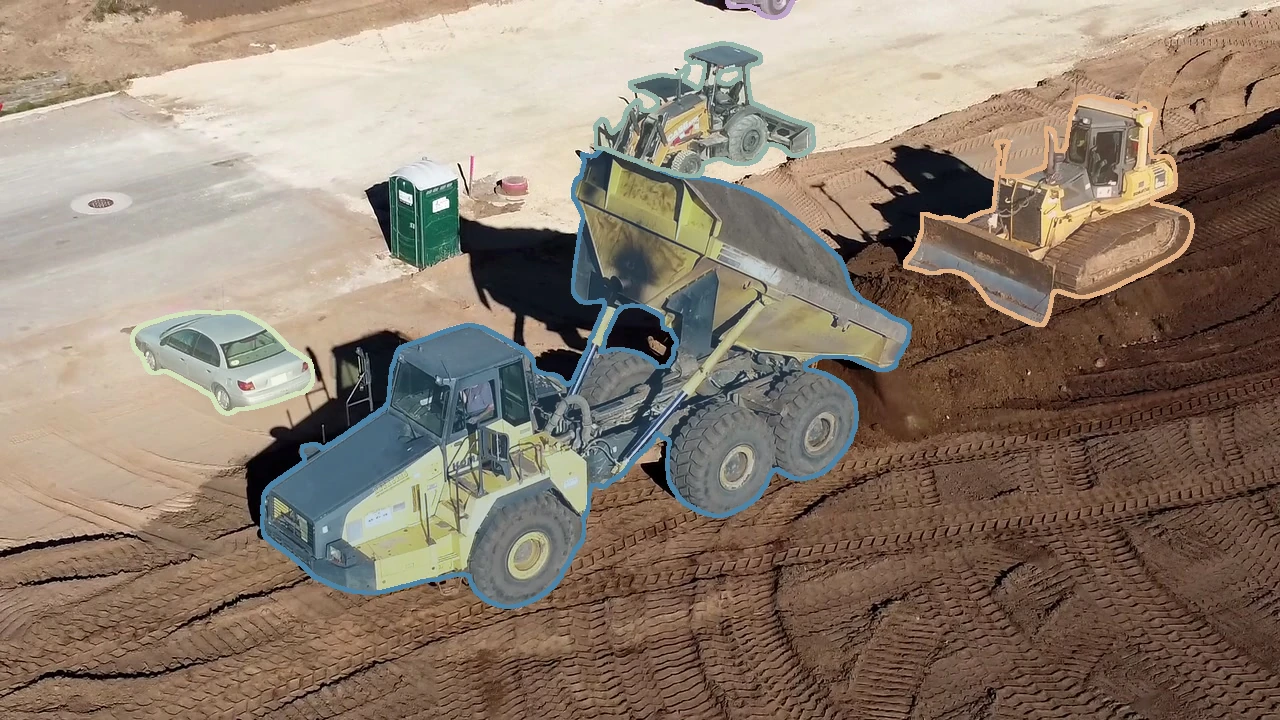
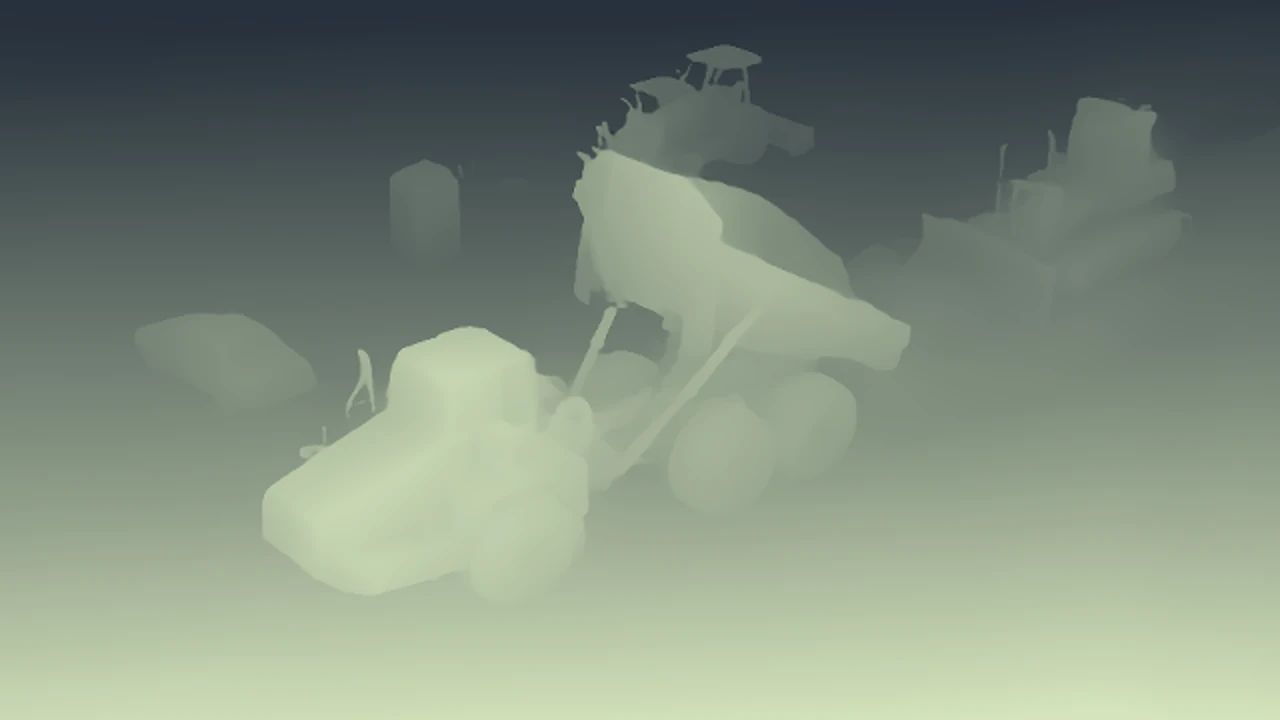
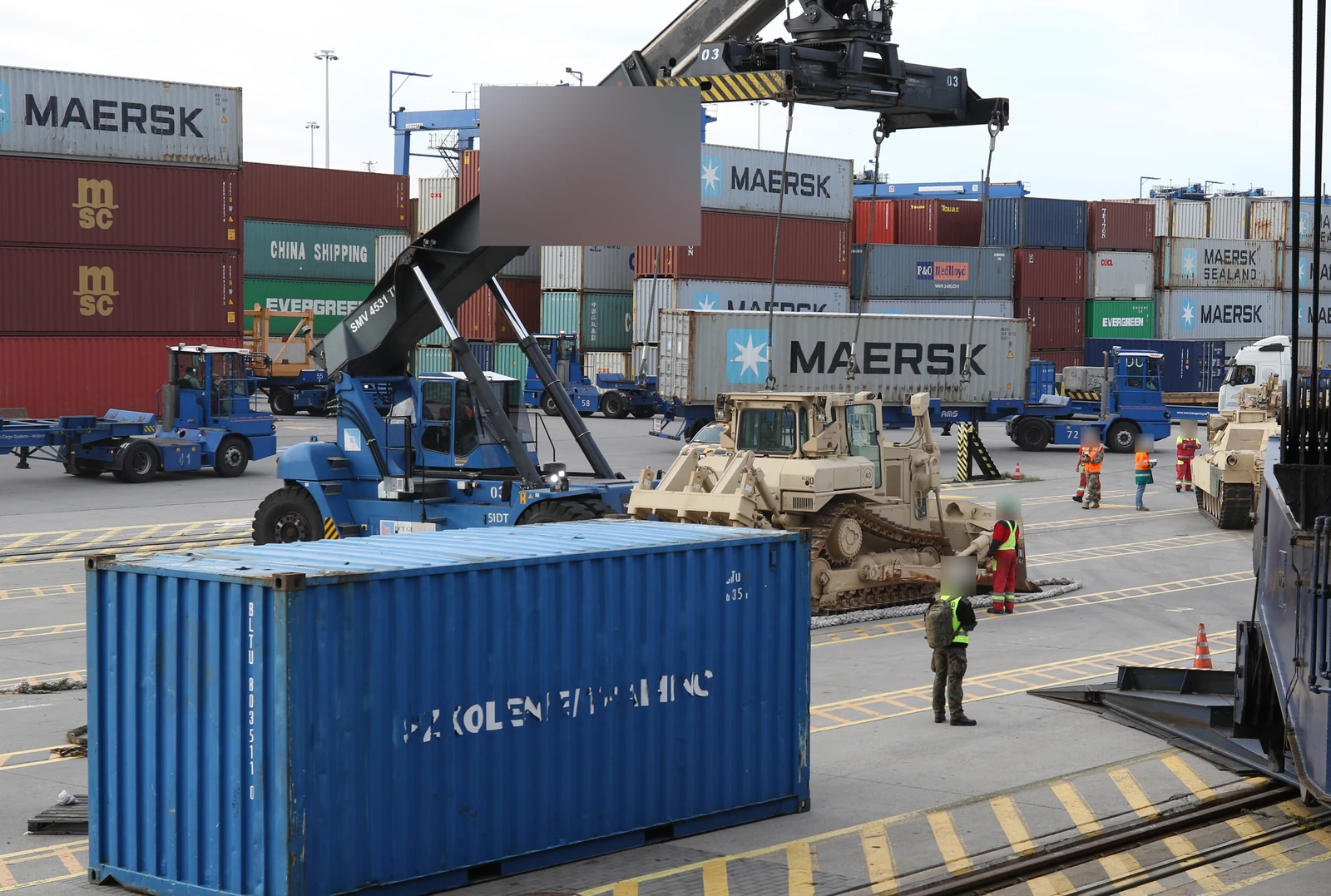
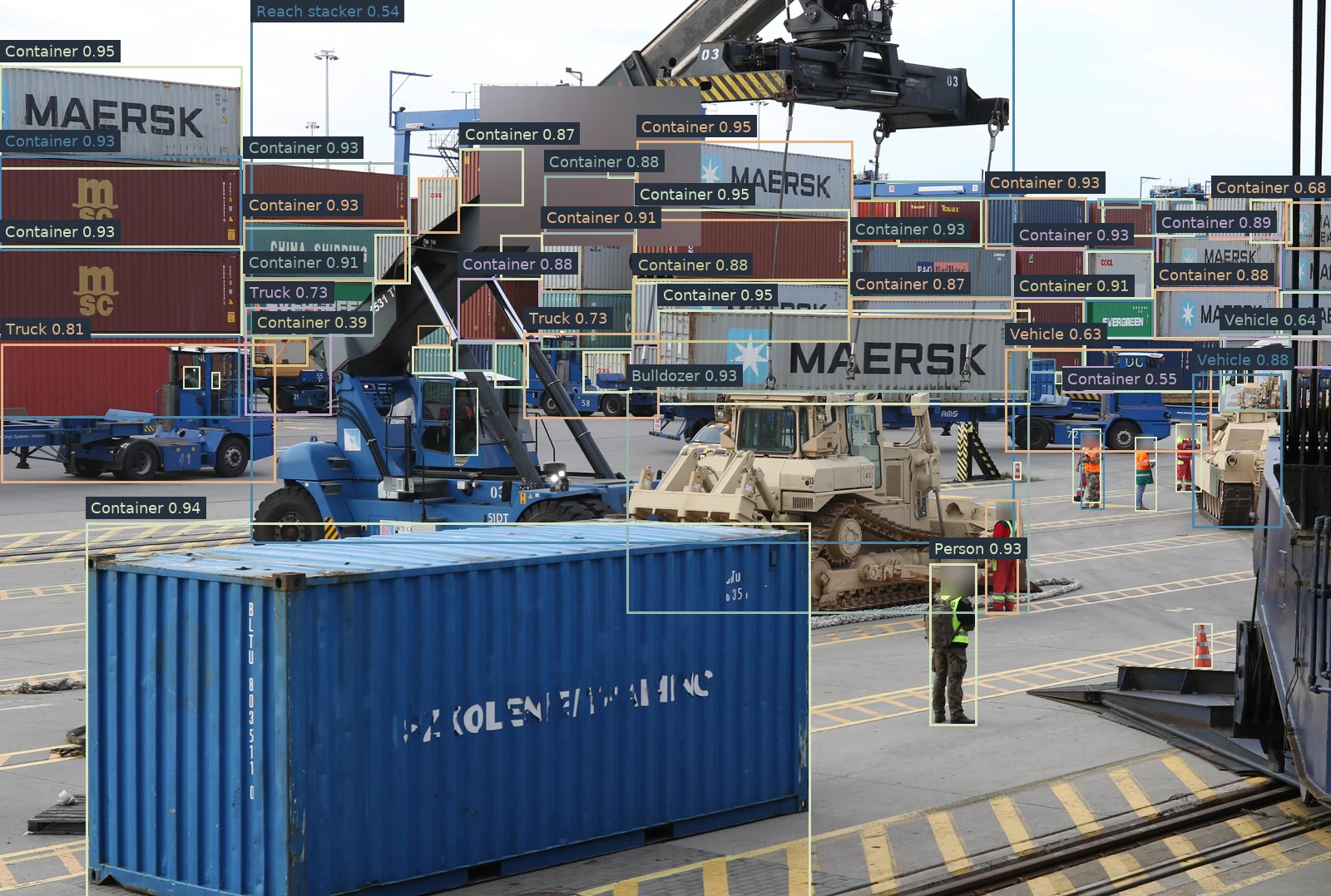
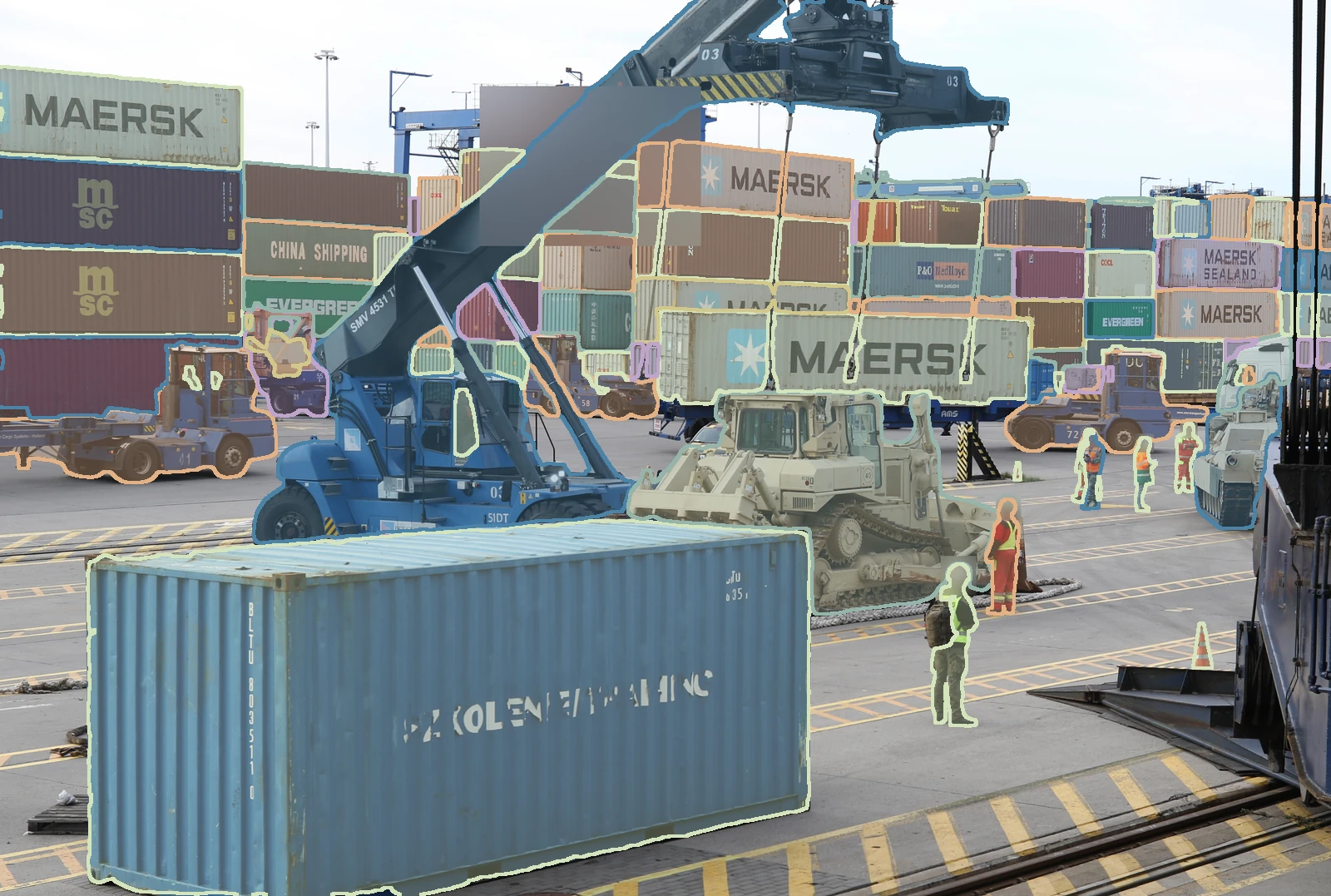
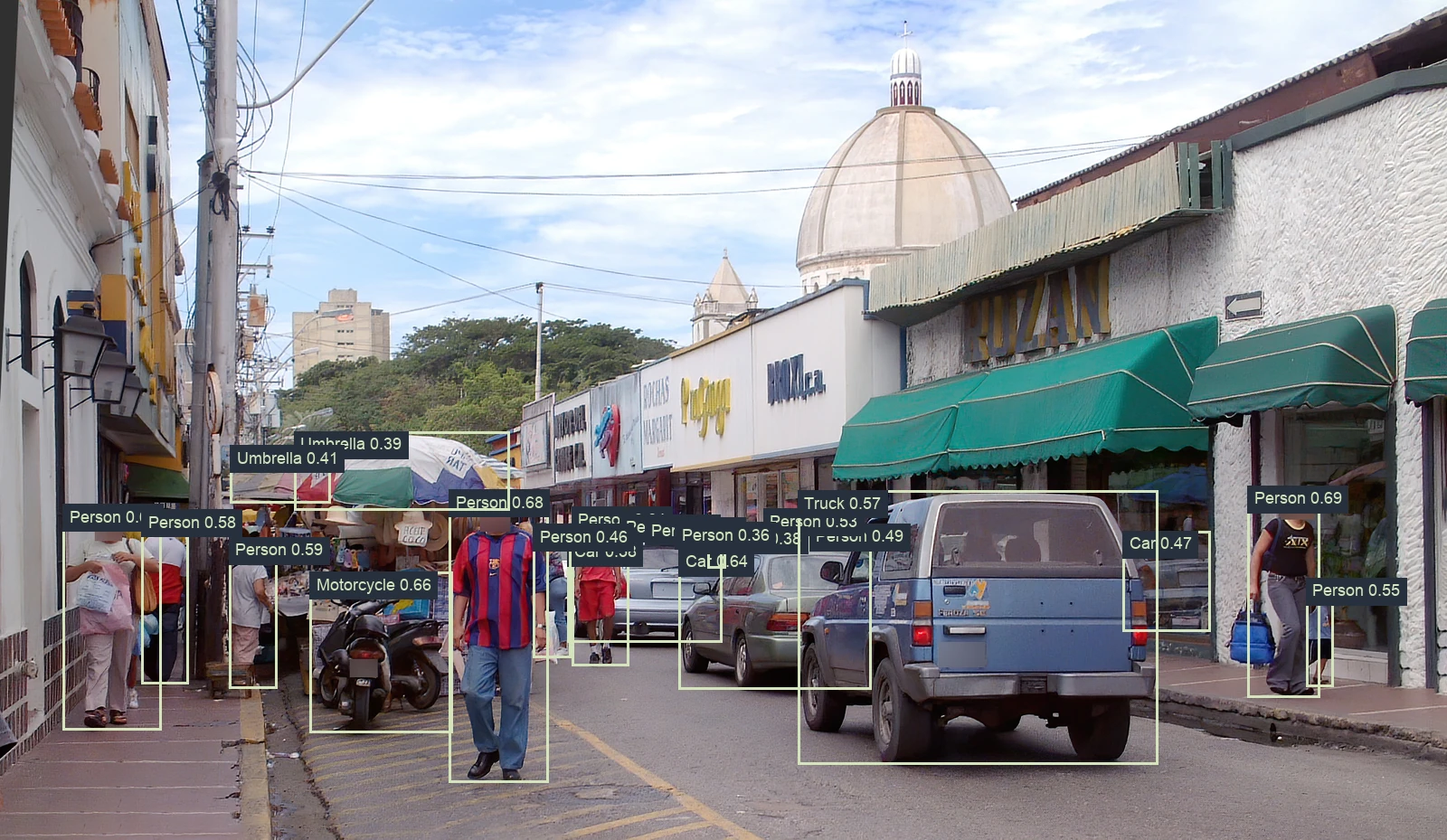
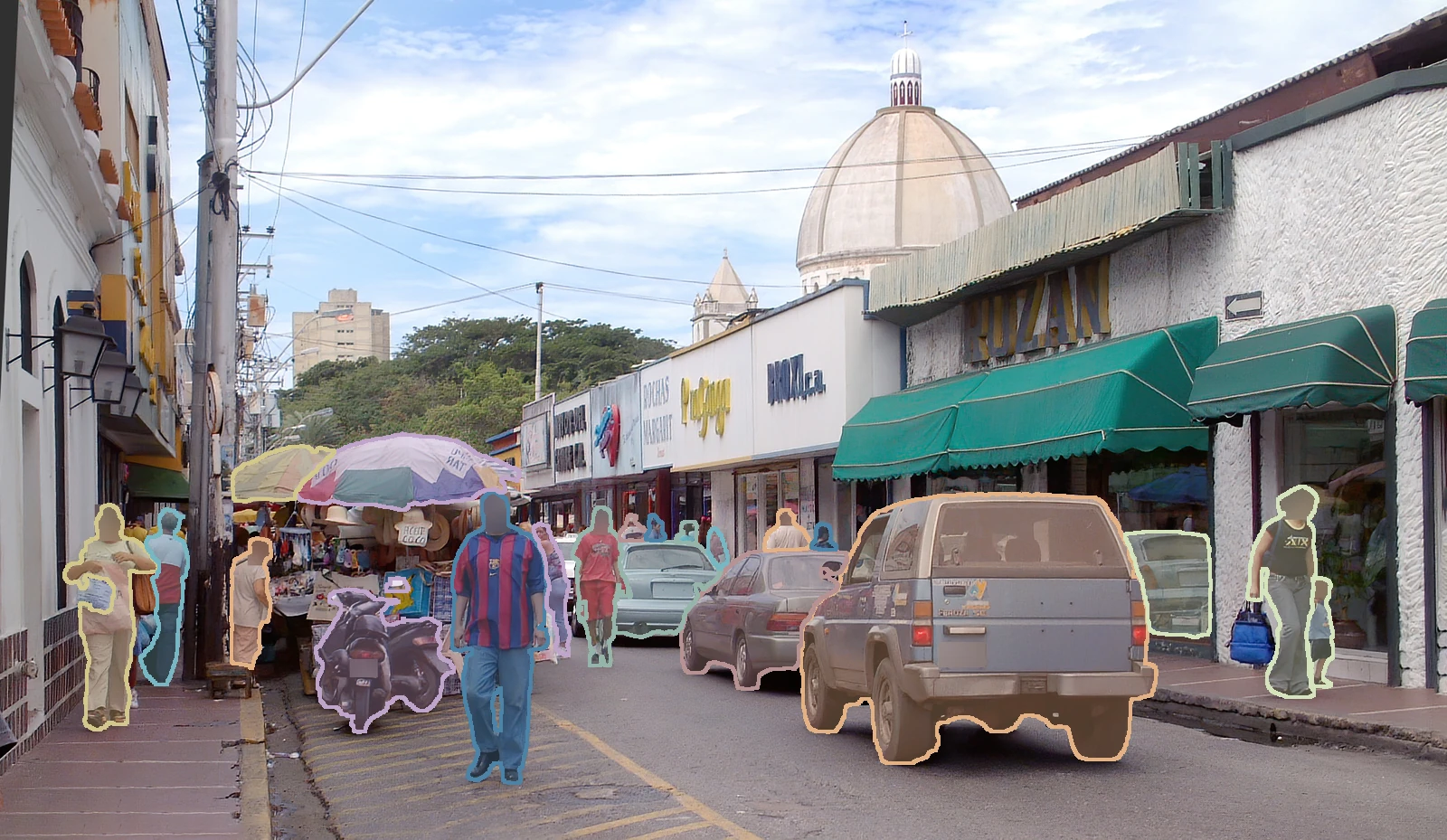

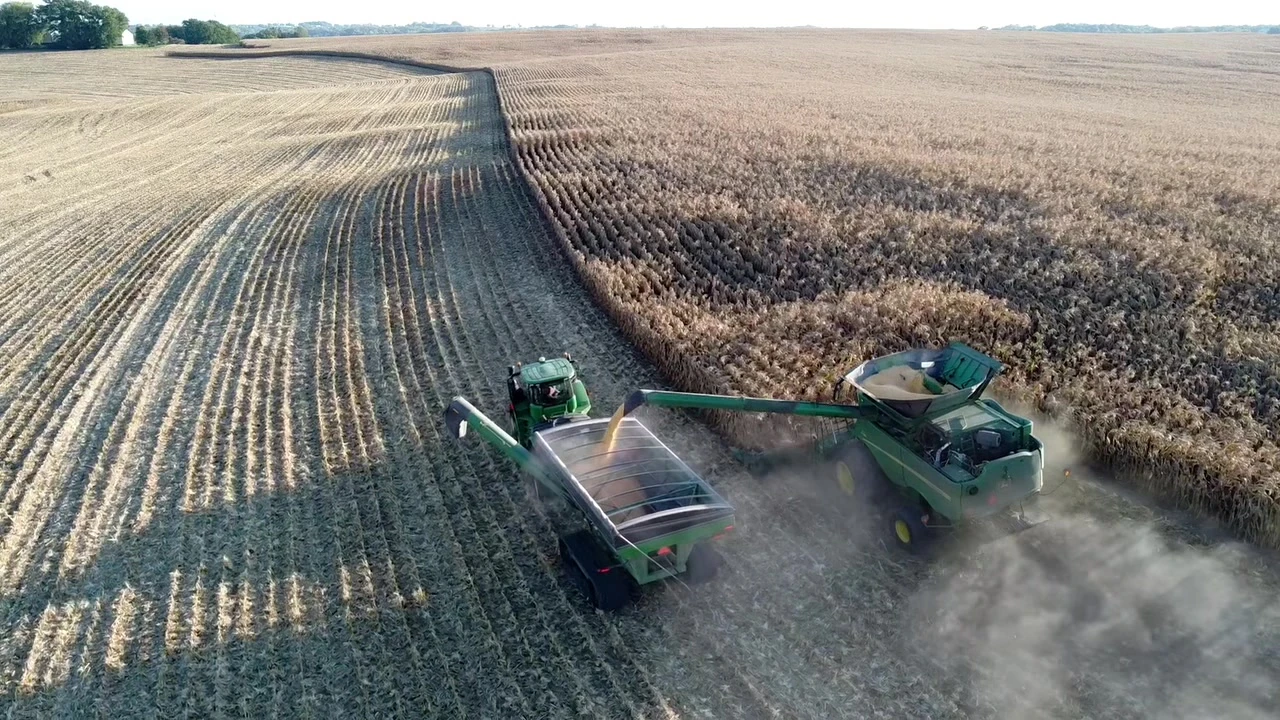
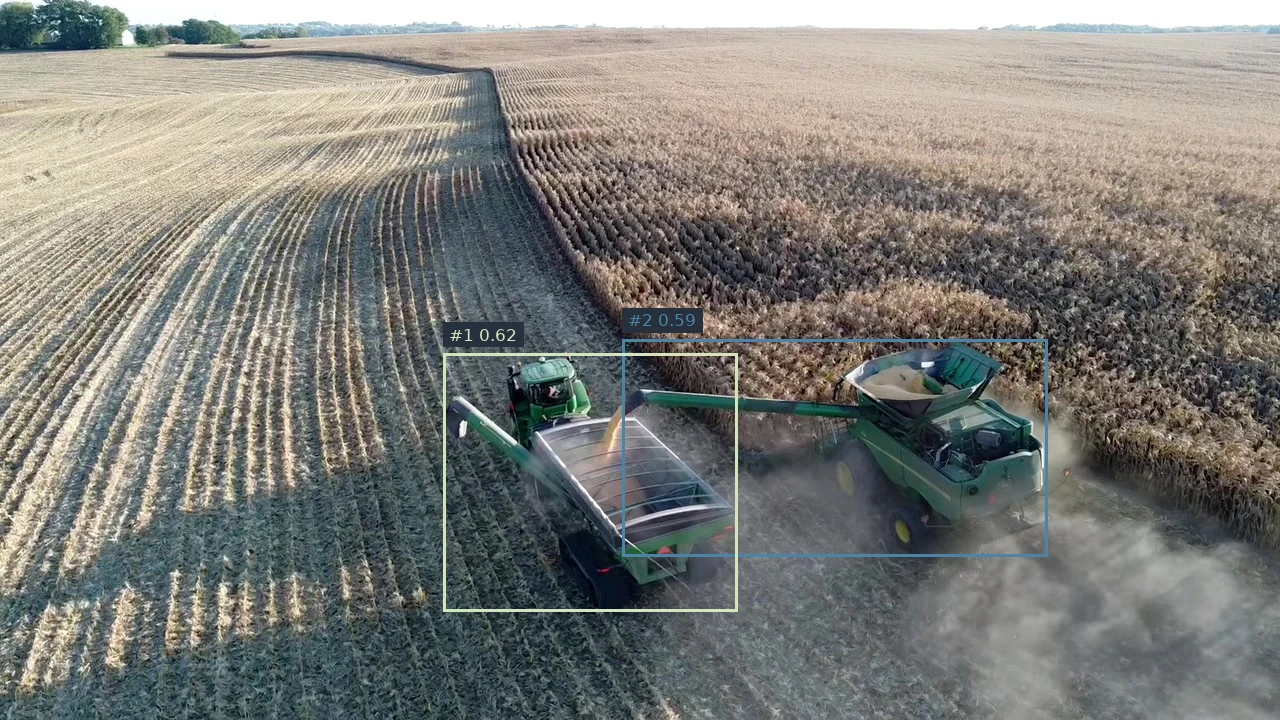
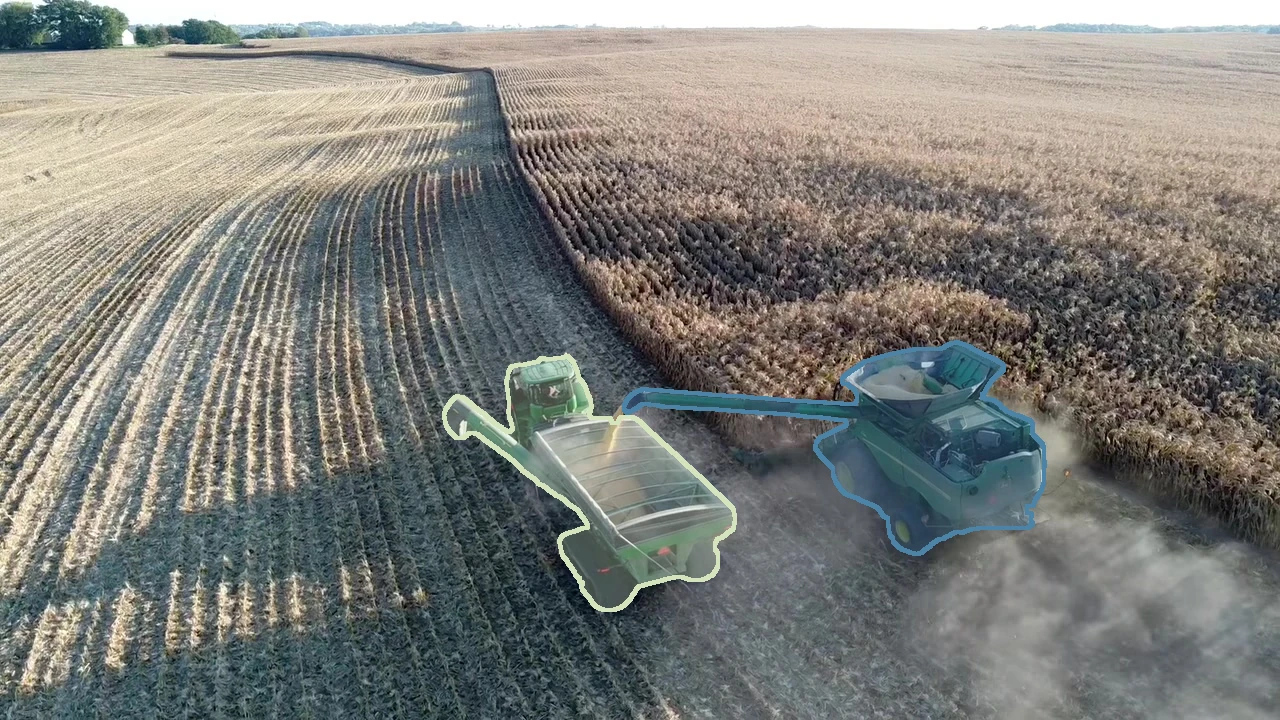
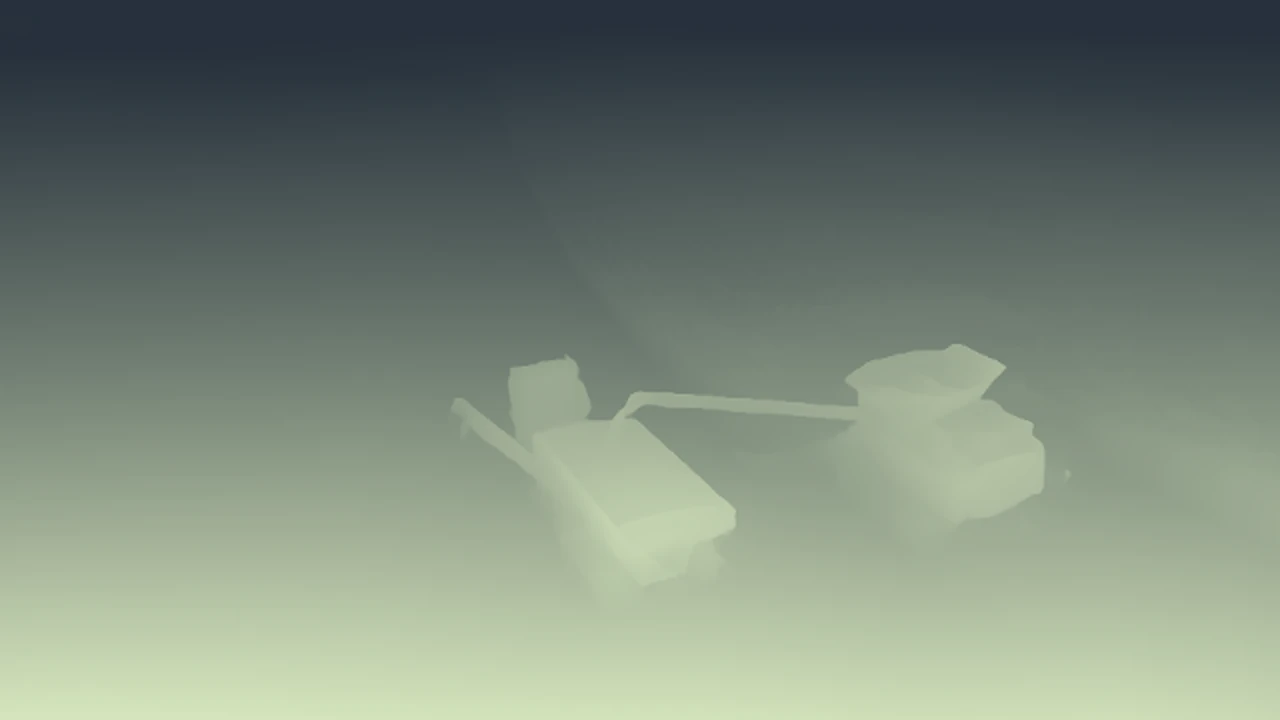
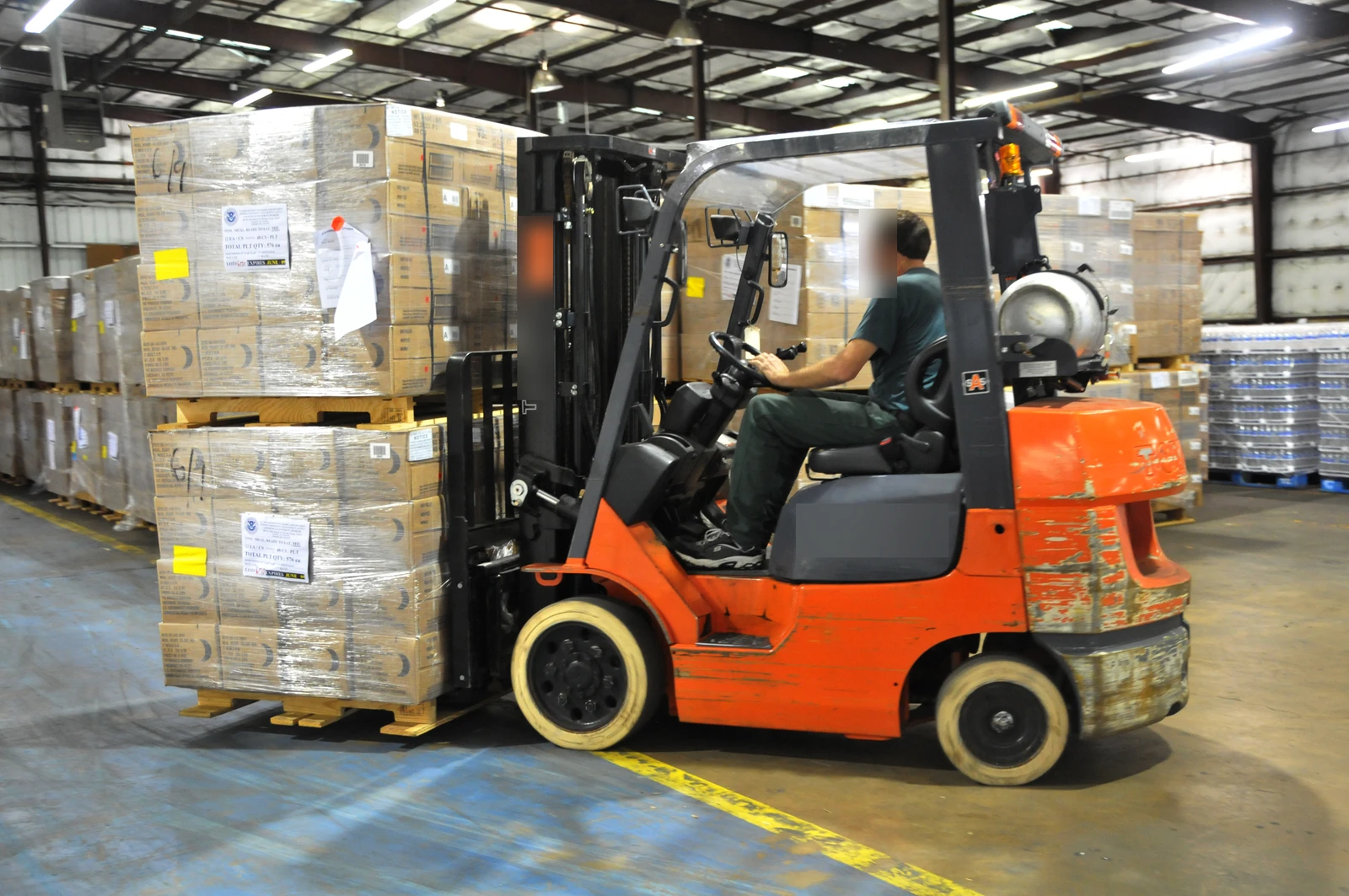
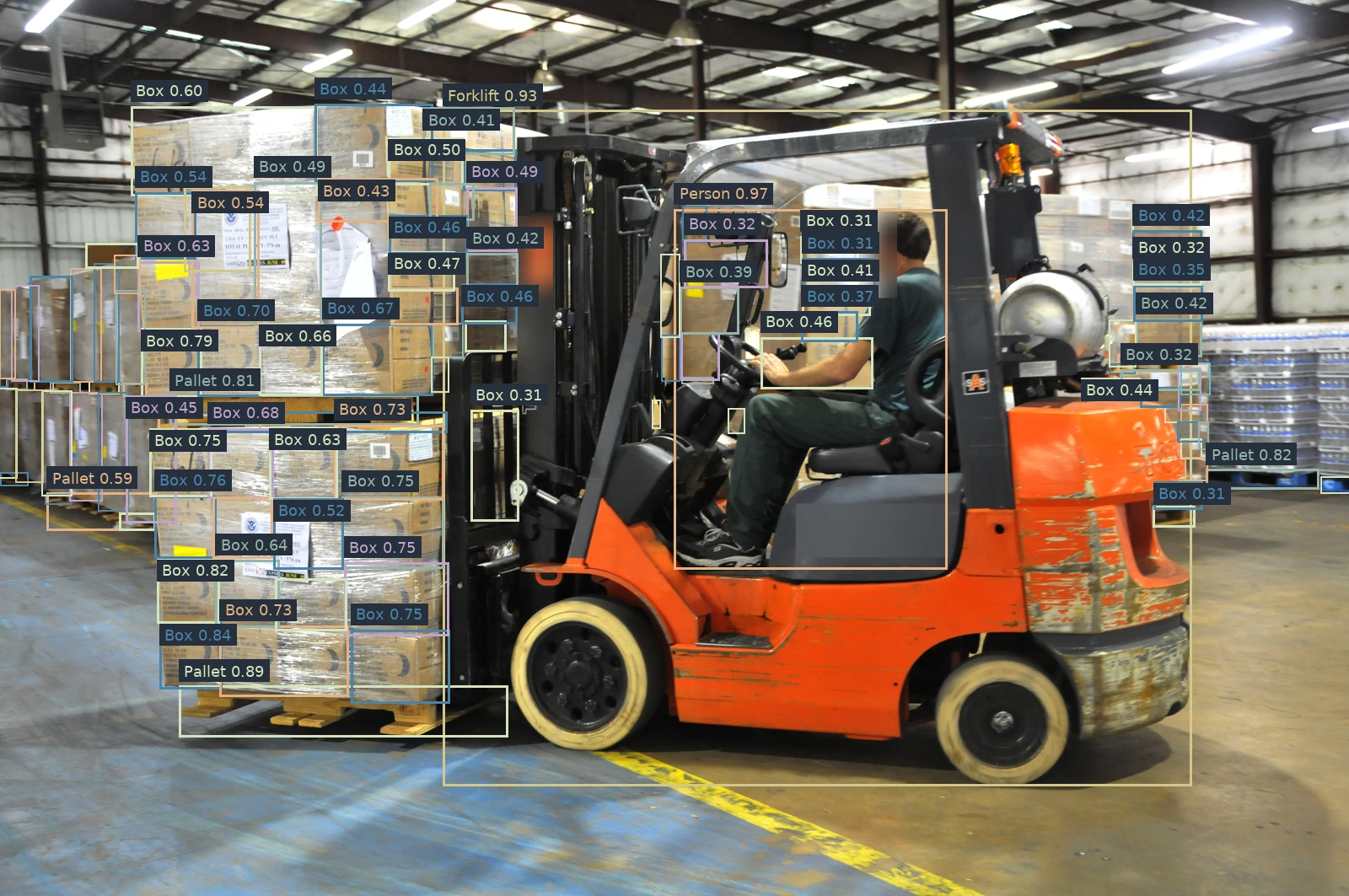
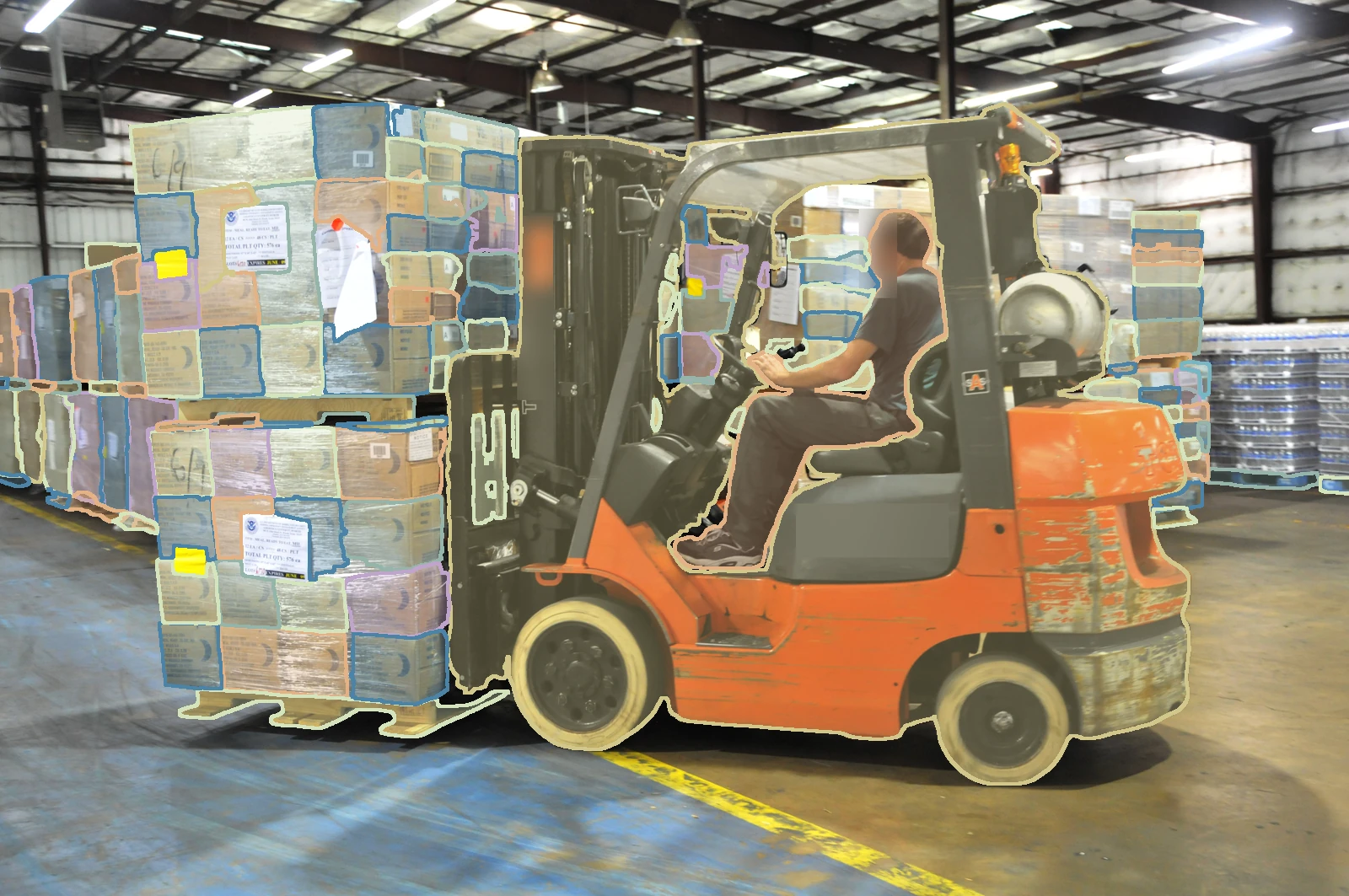
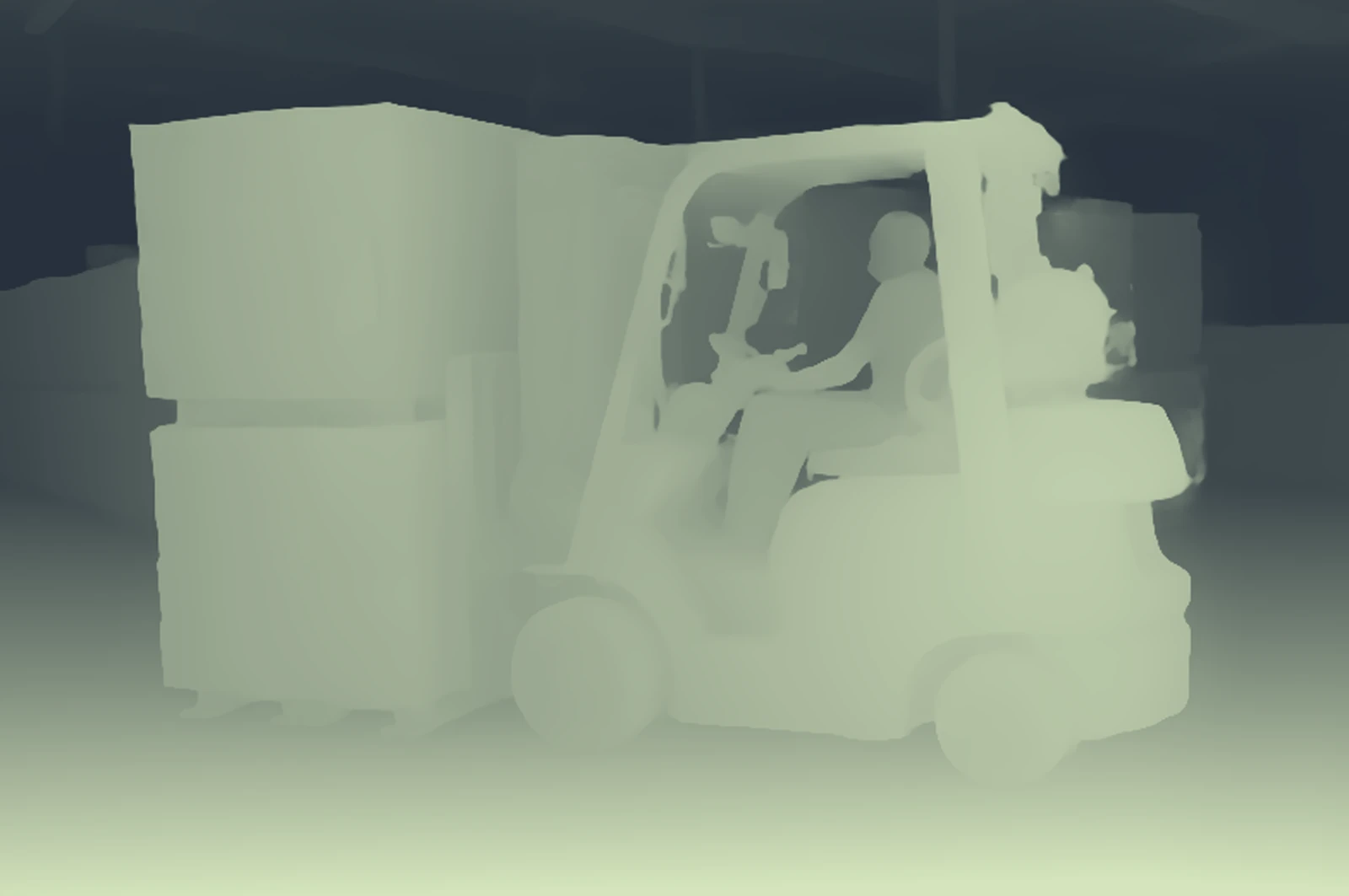
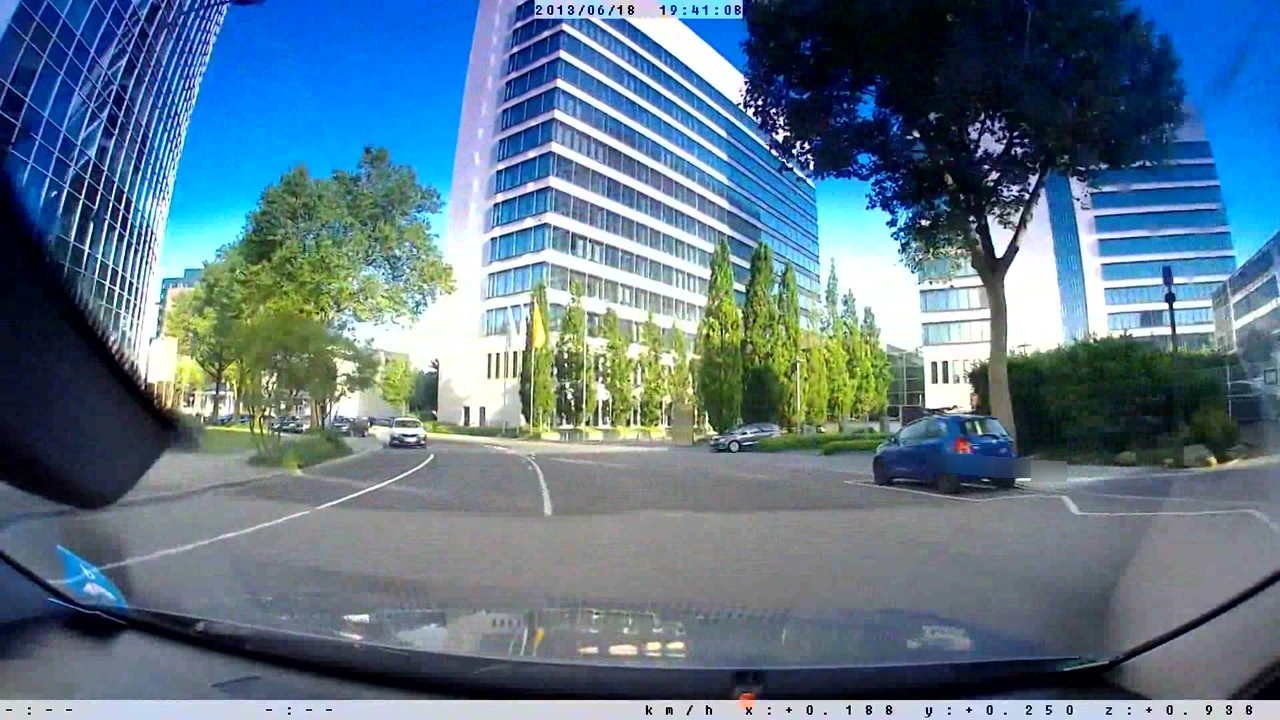
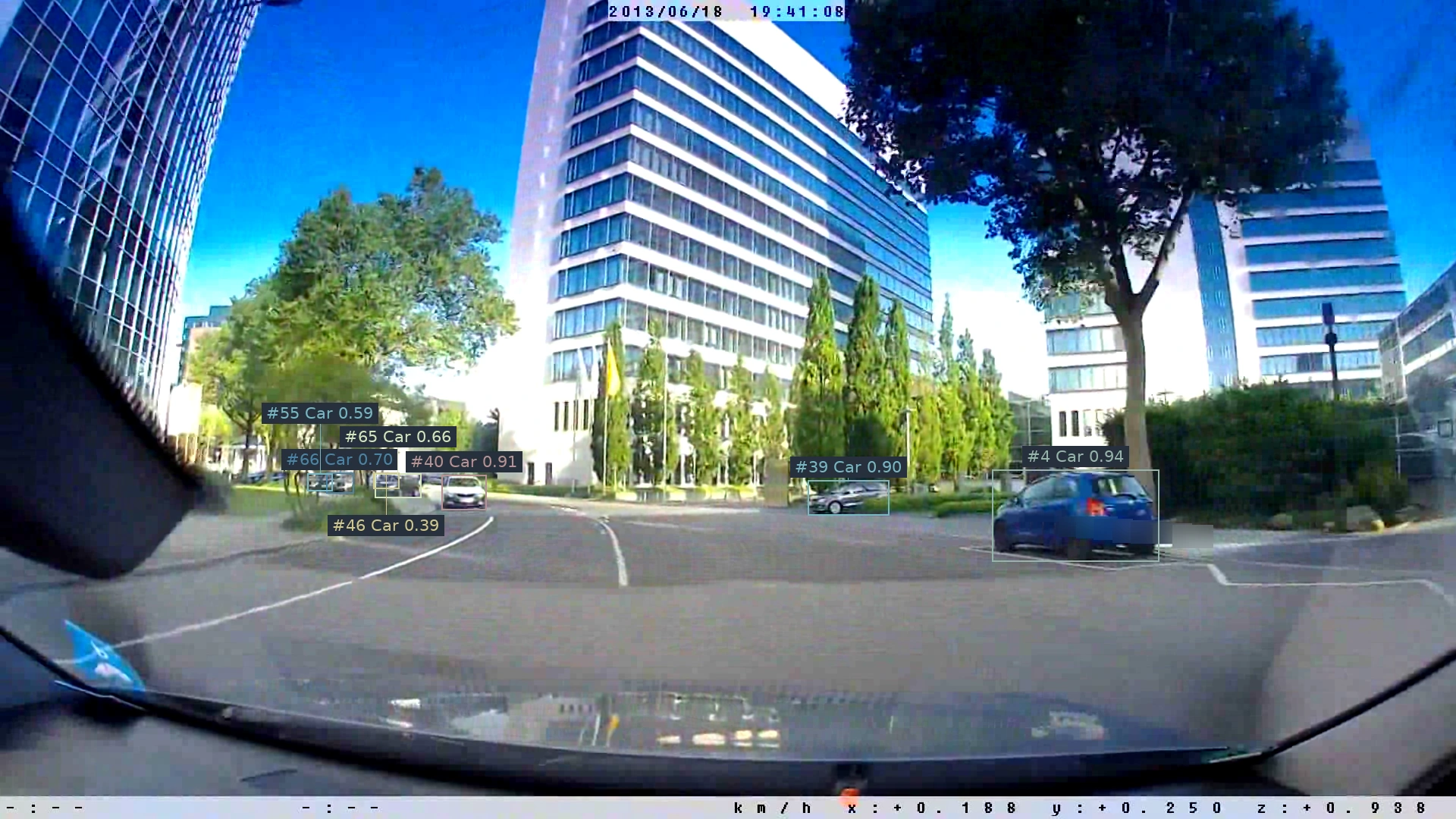
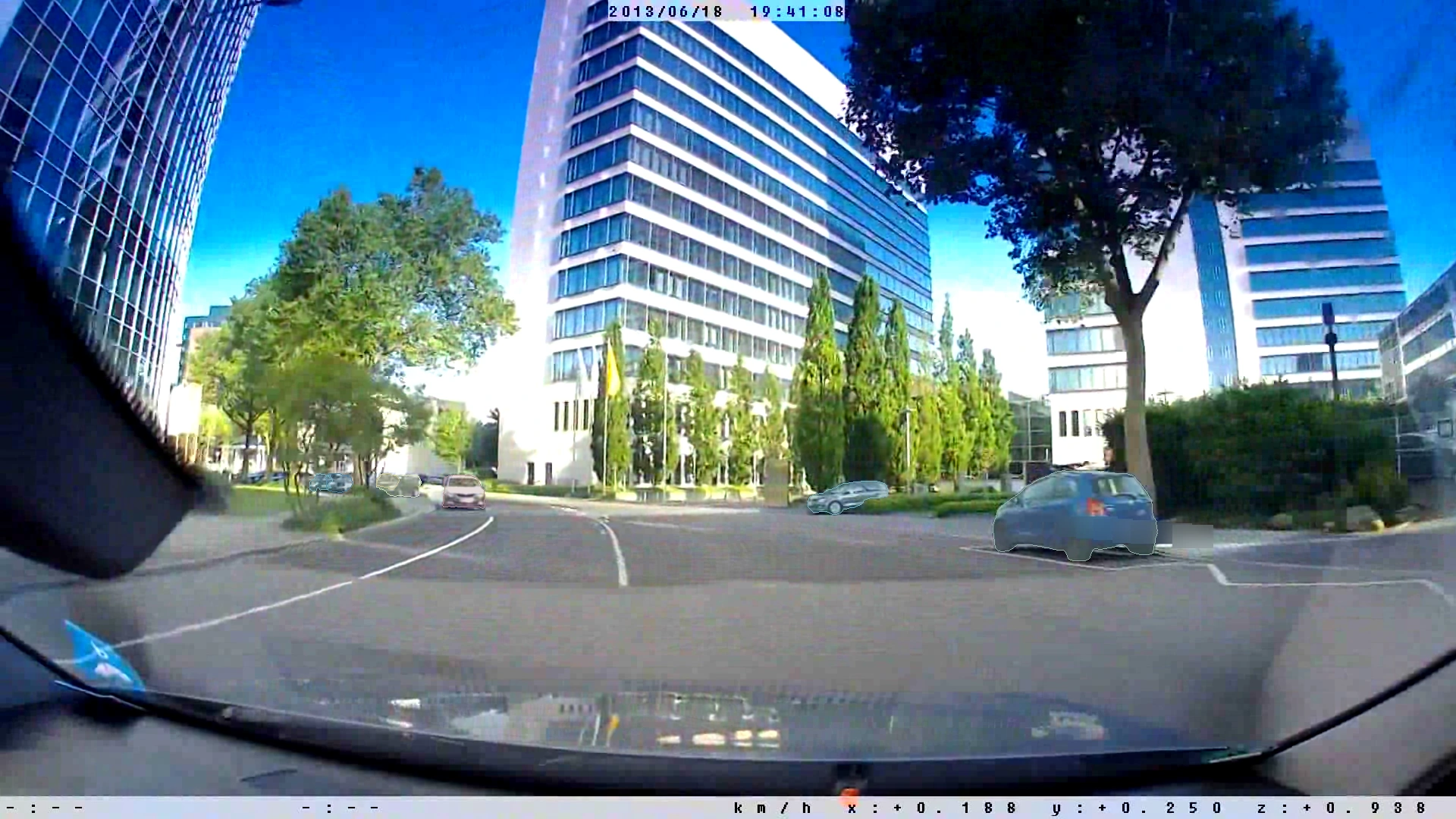

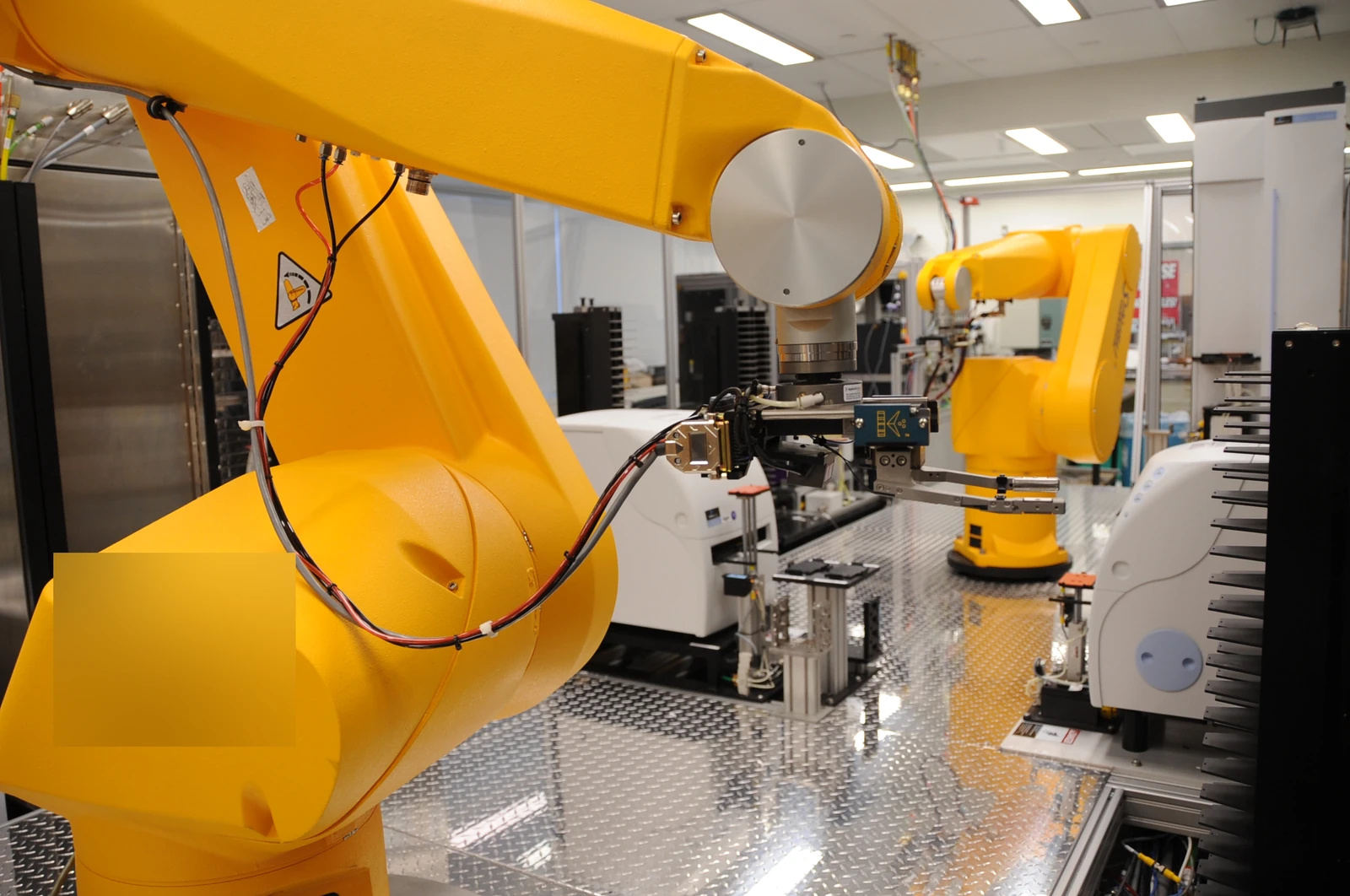
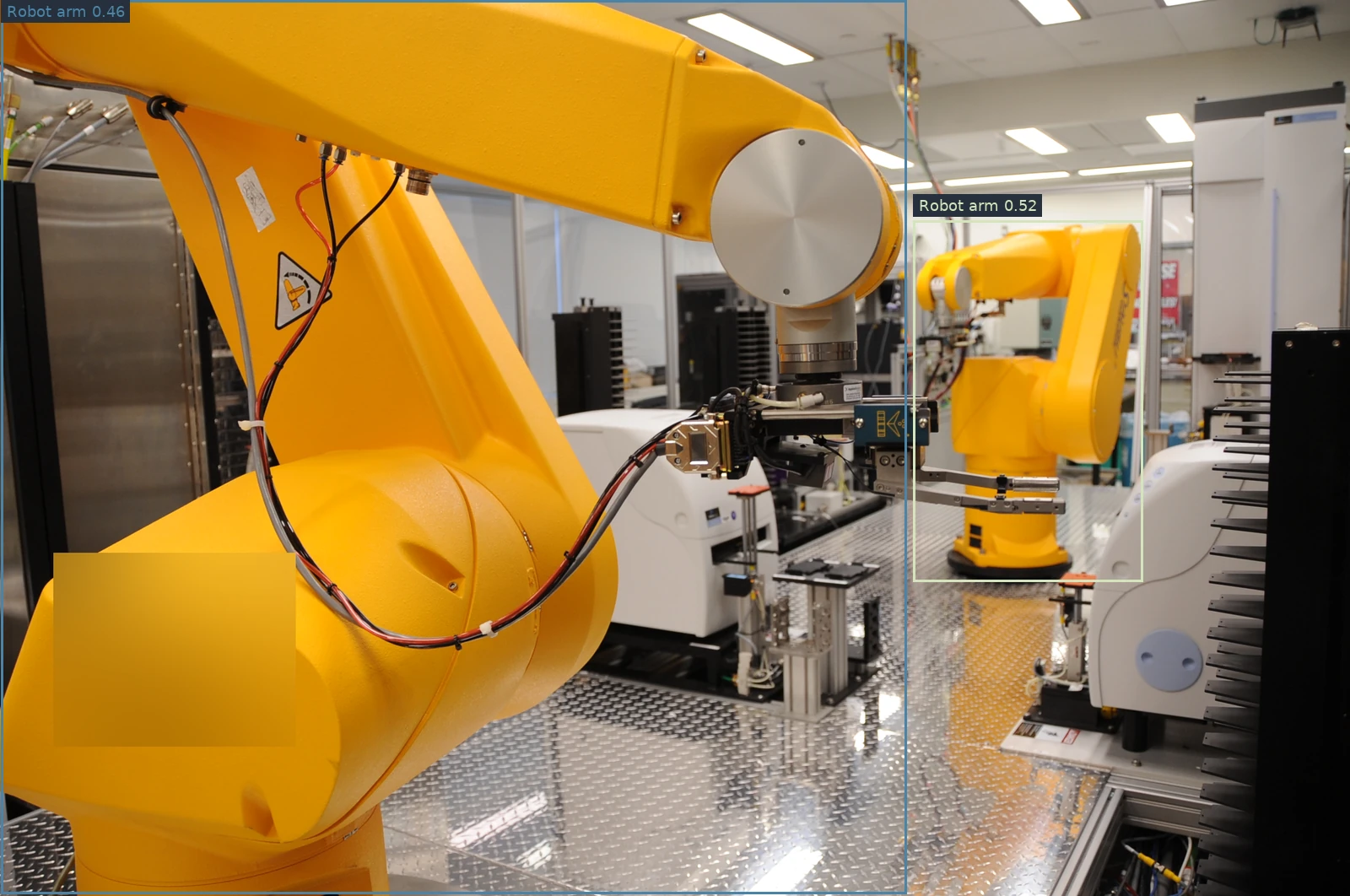
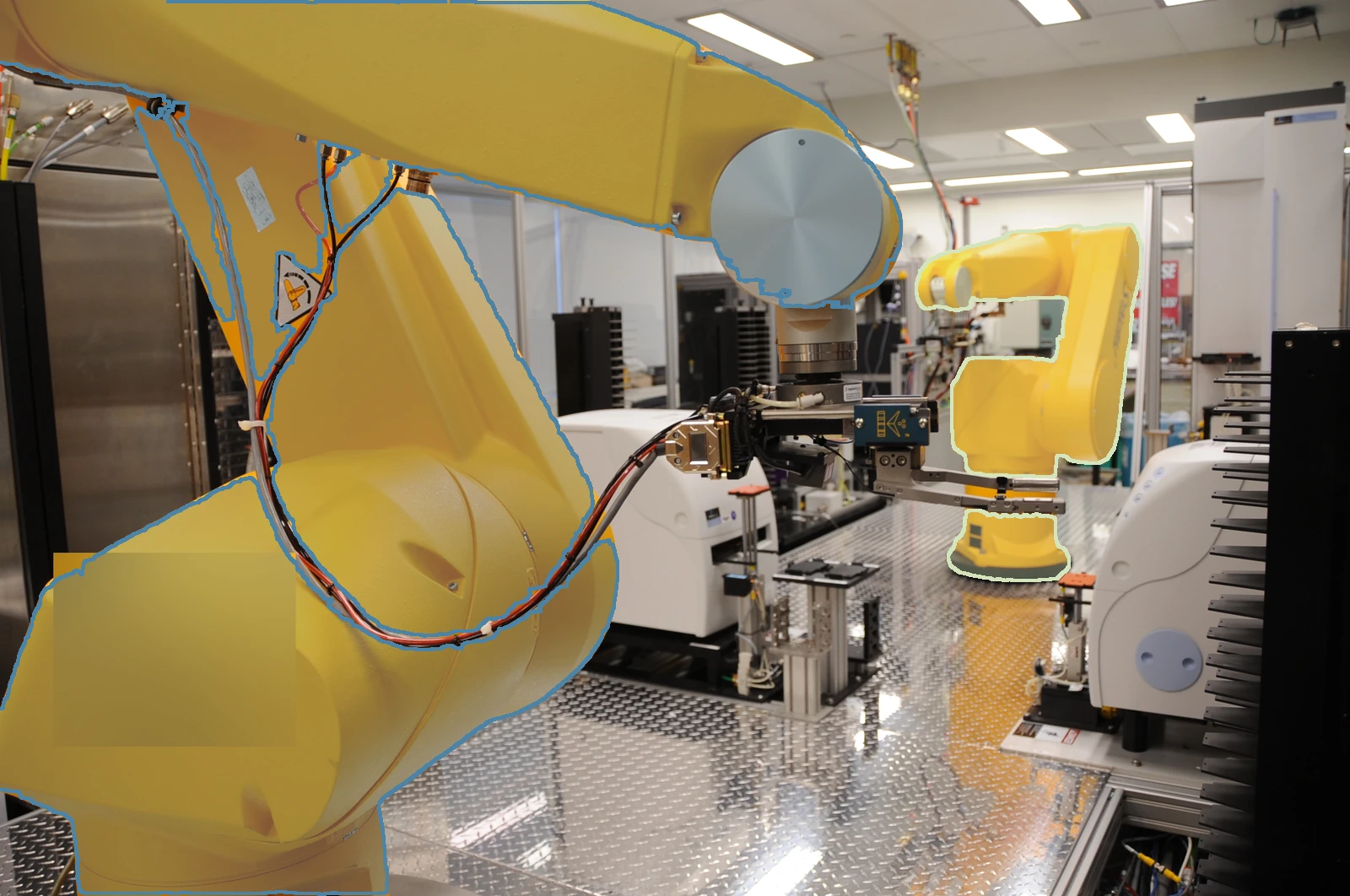
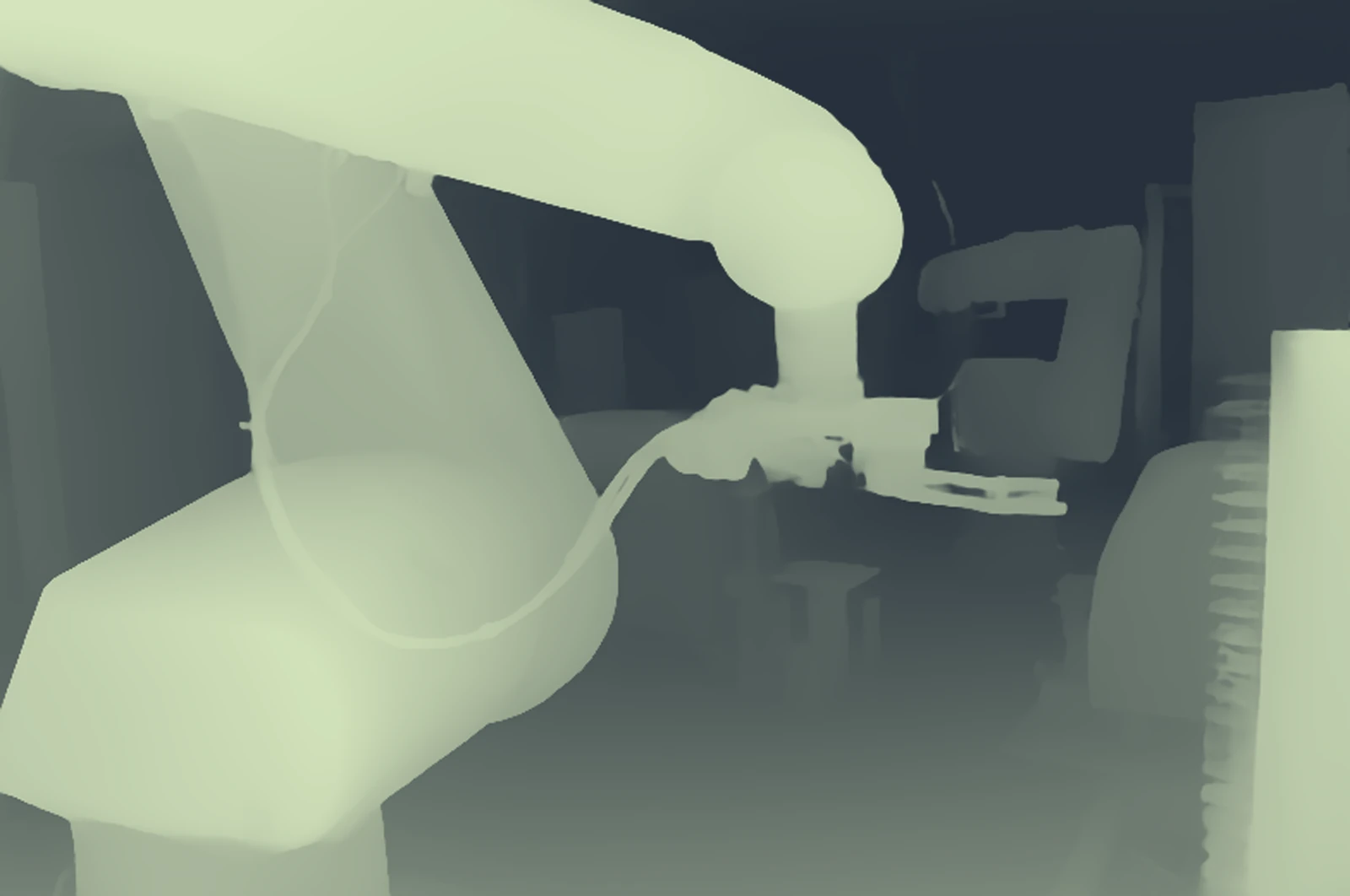
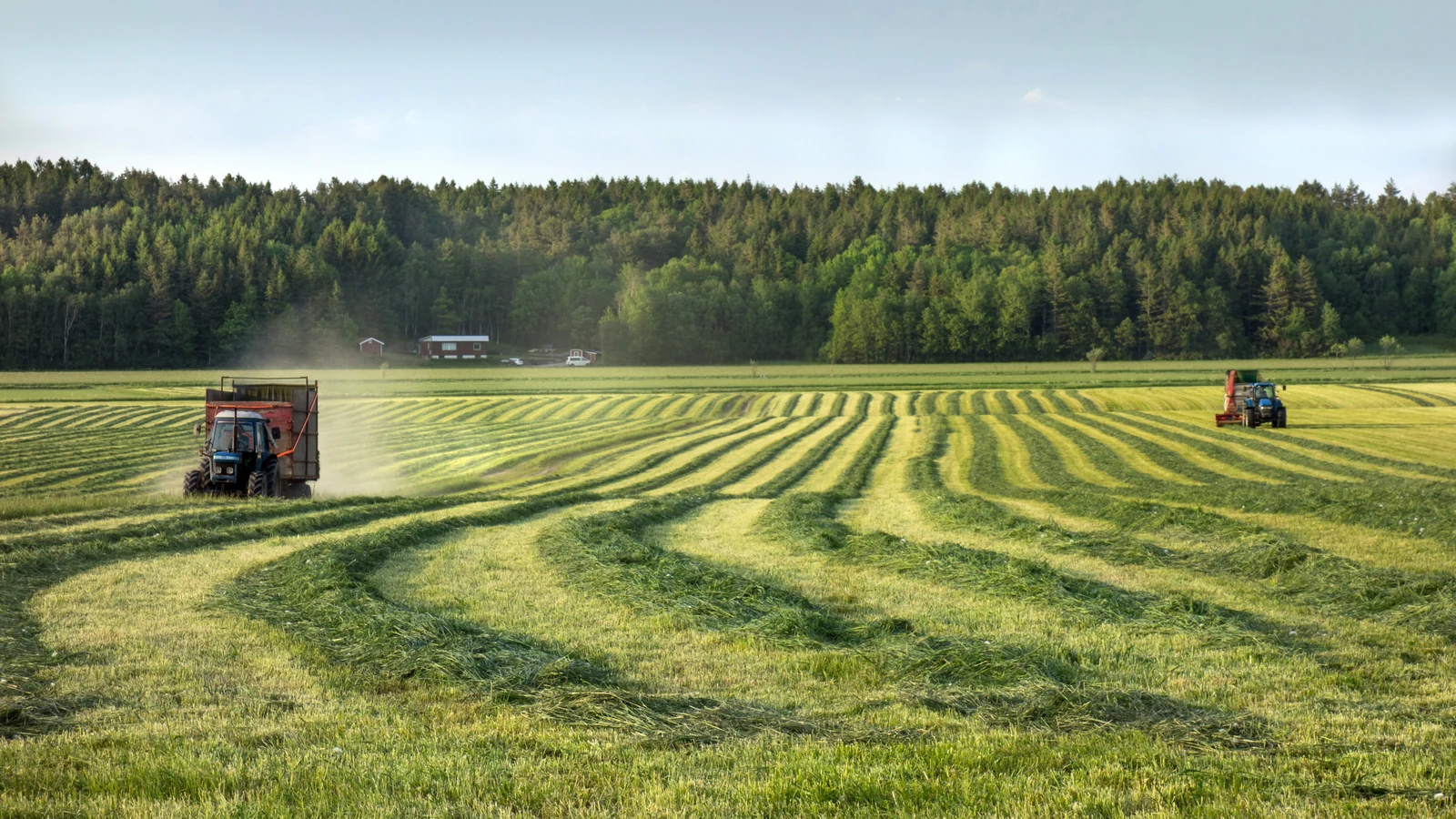
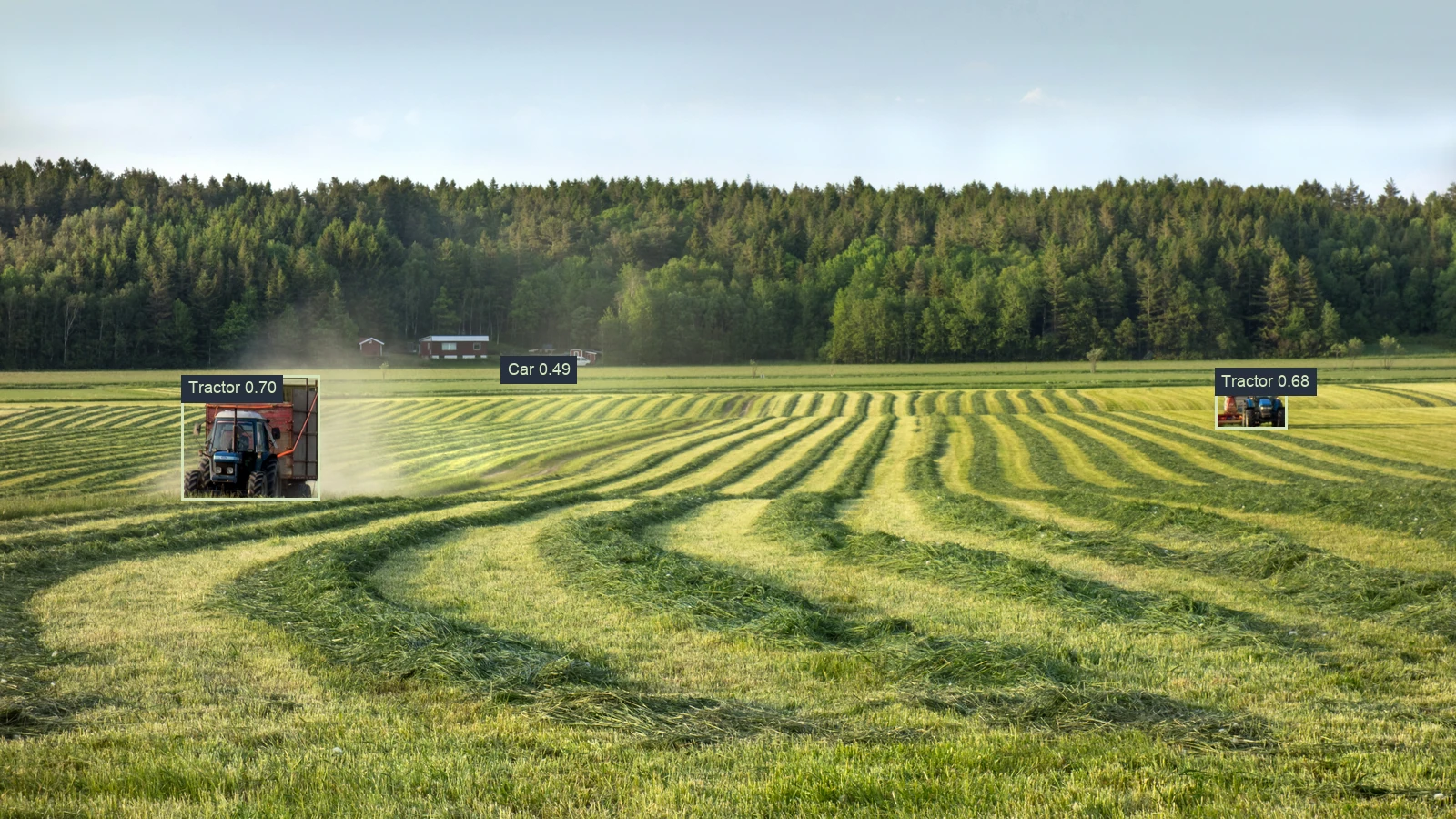
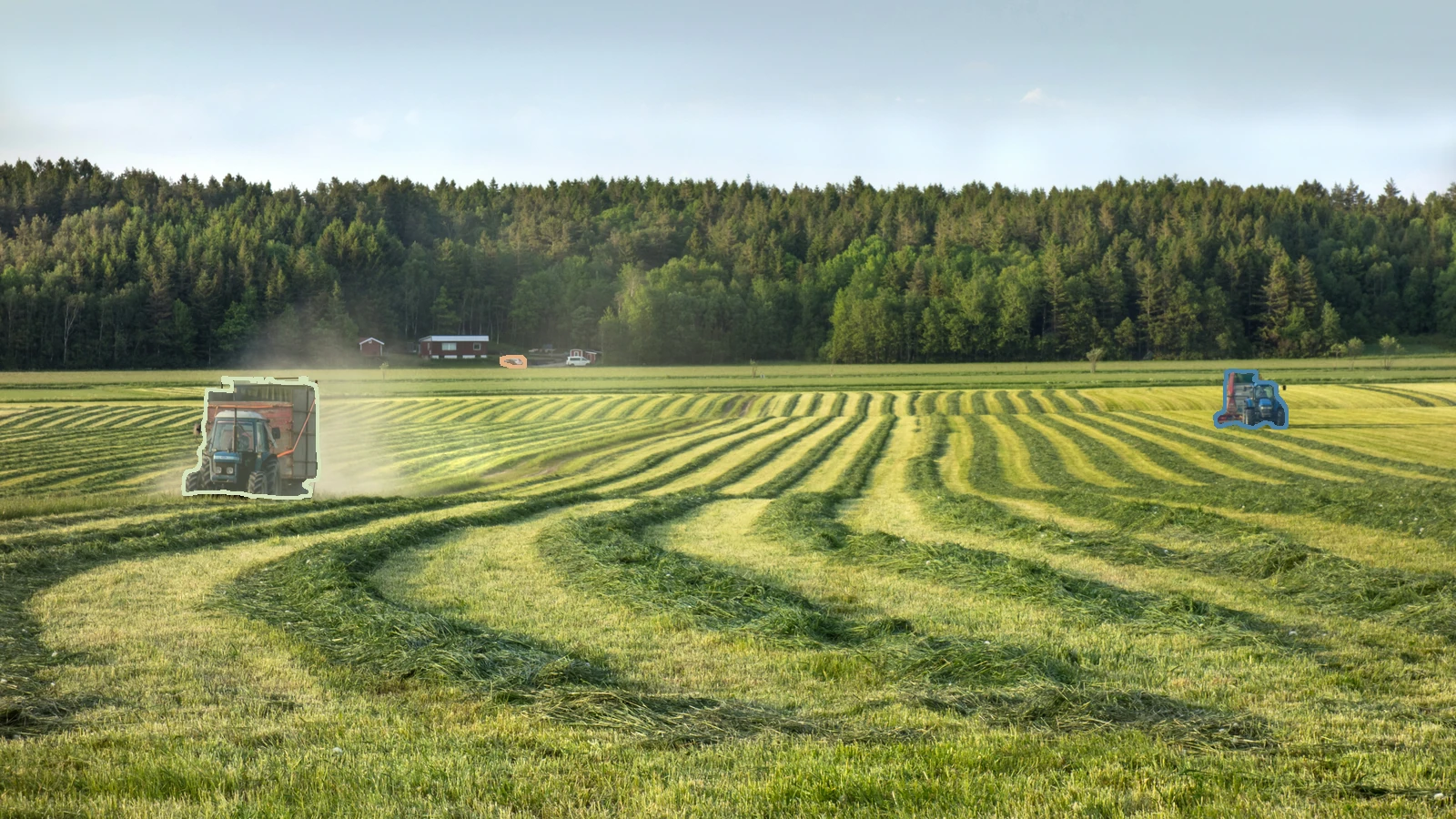

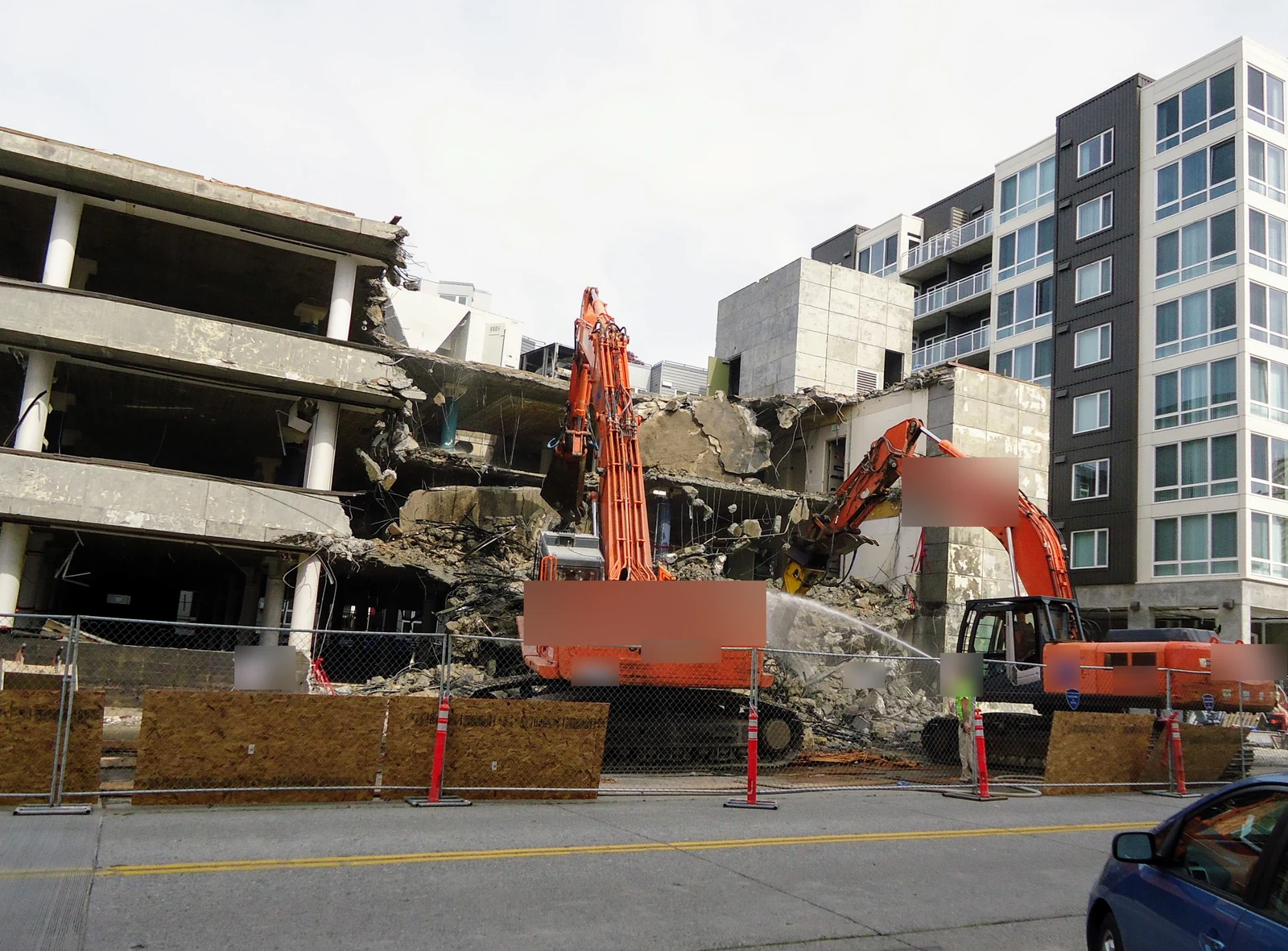
SCENE UNDERSTANDING
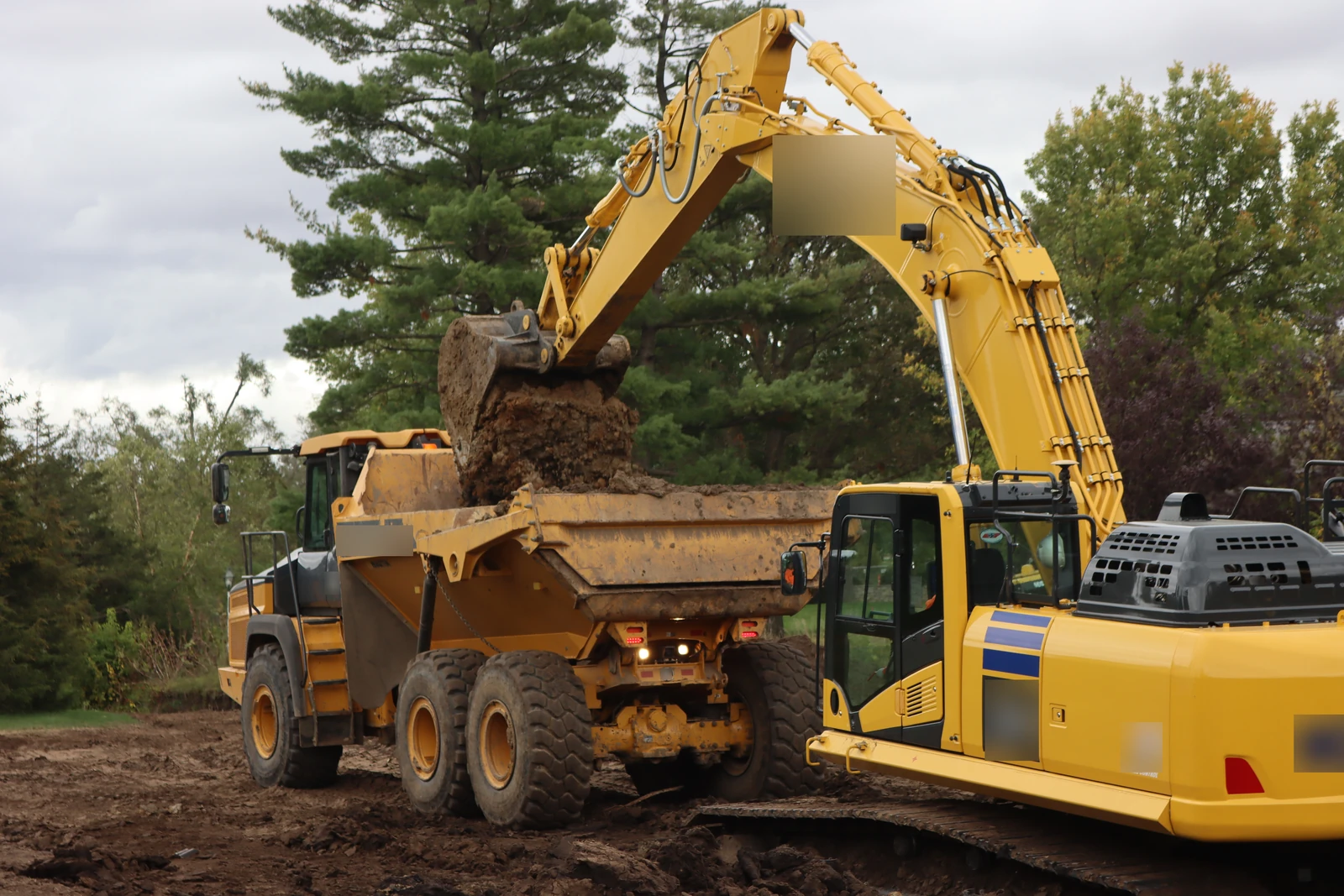
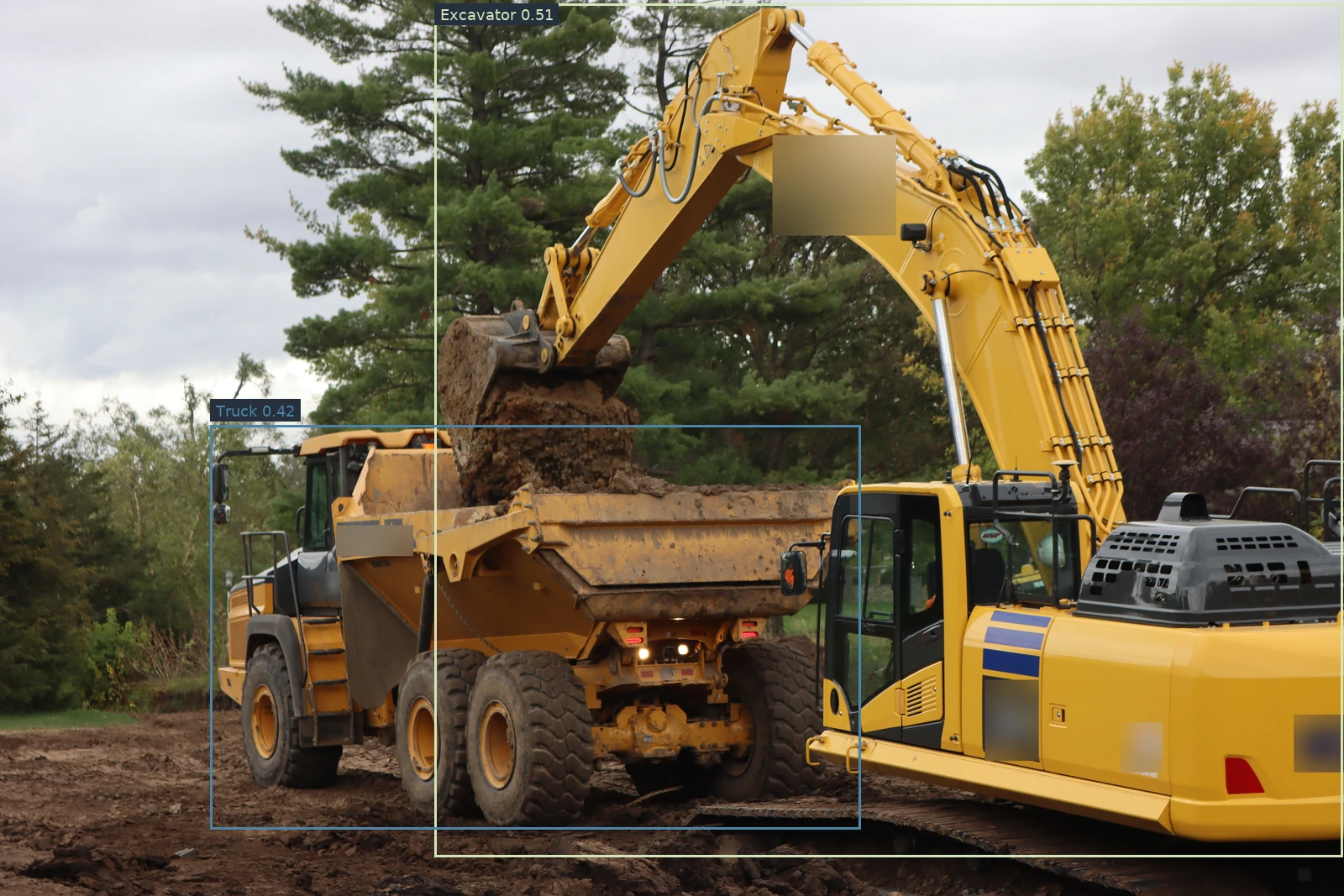
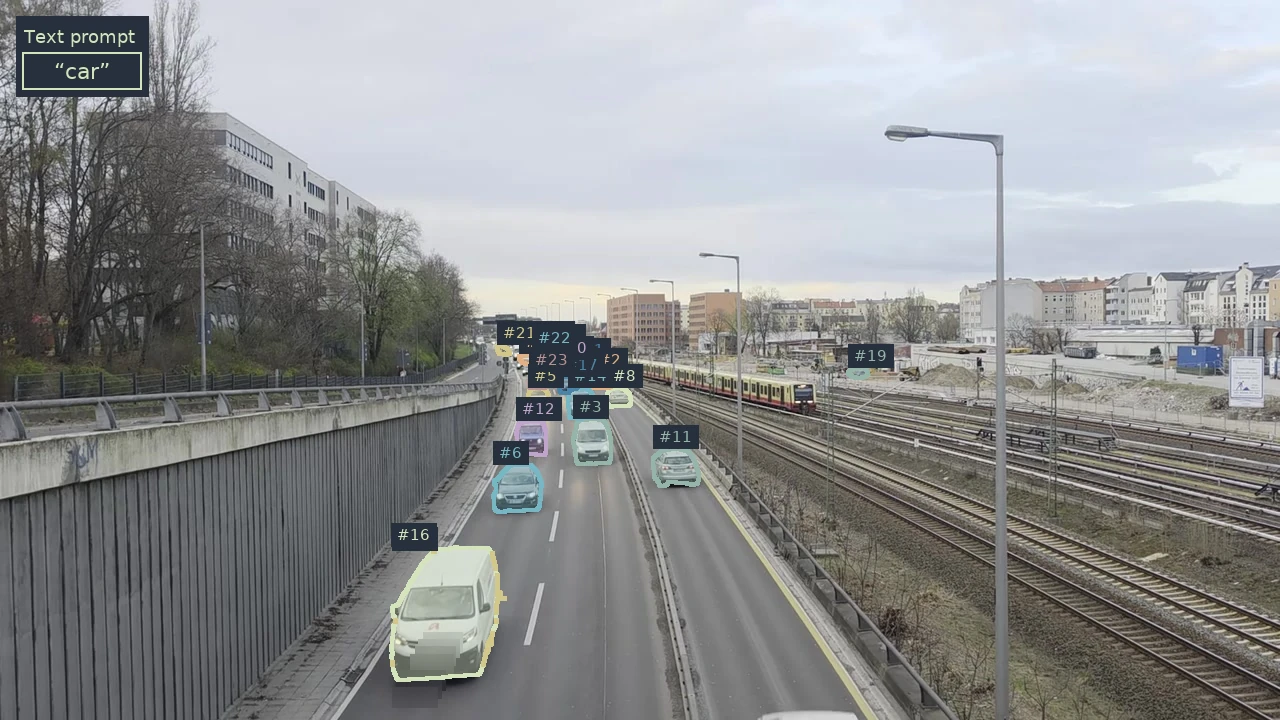
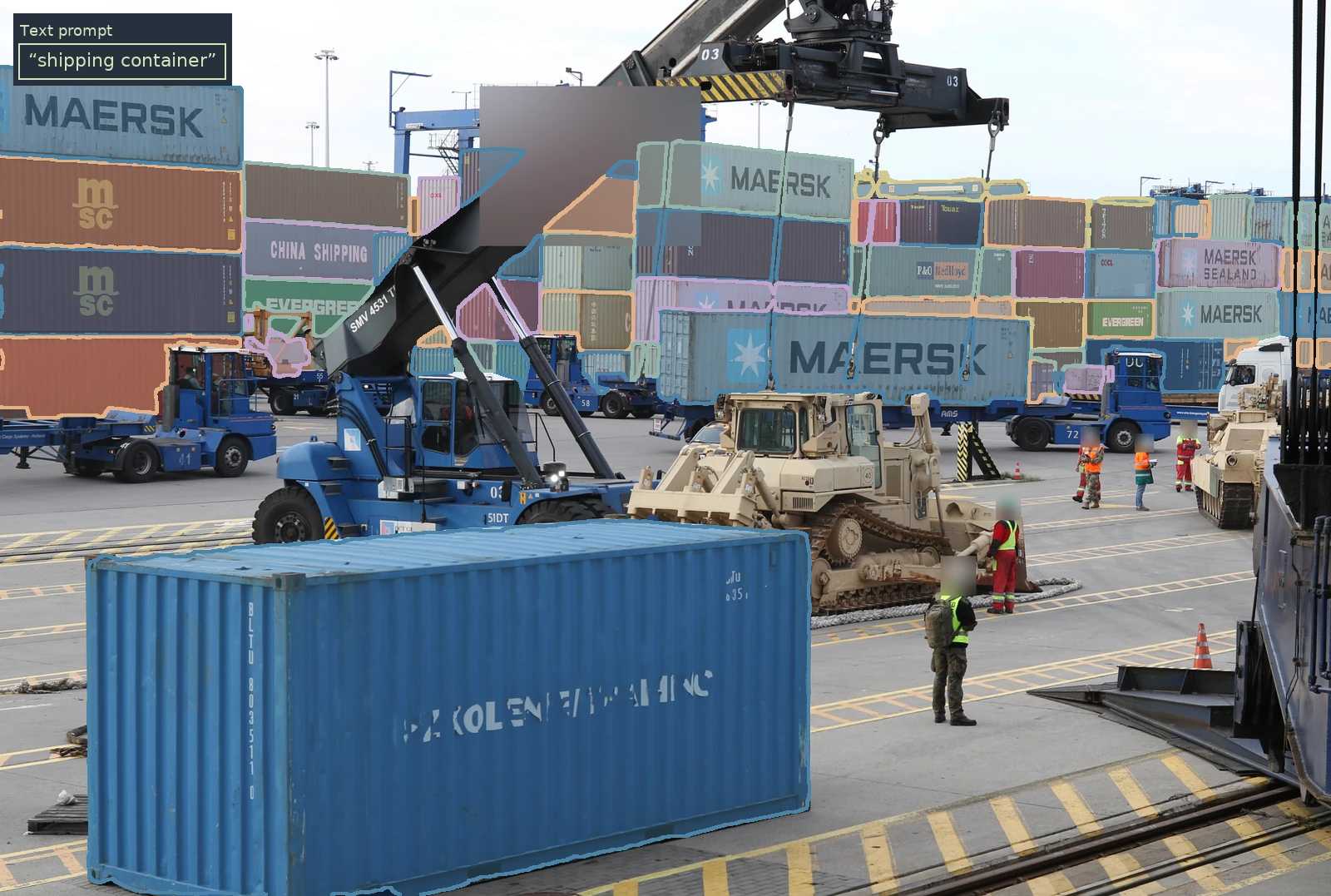
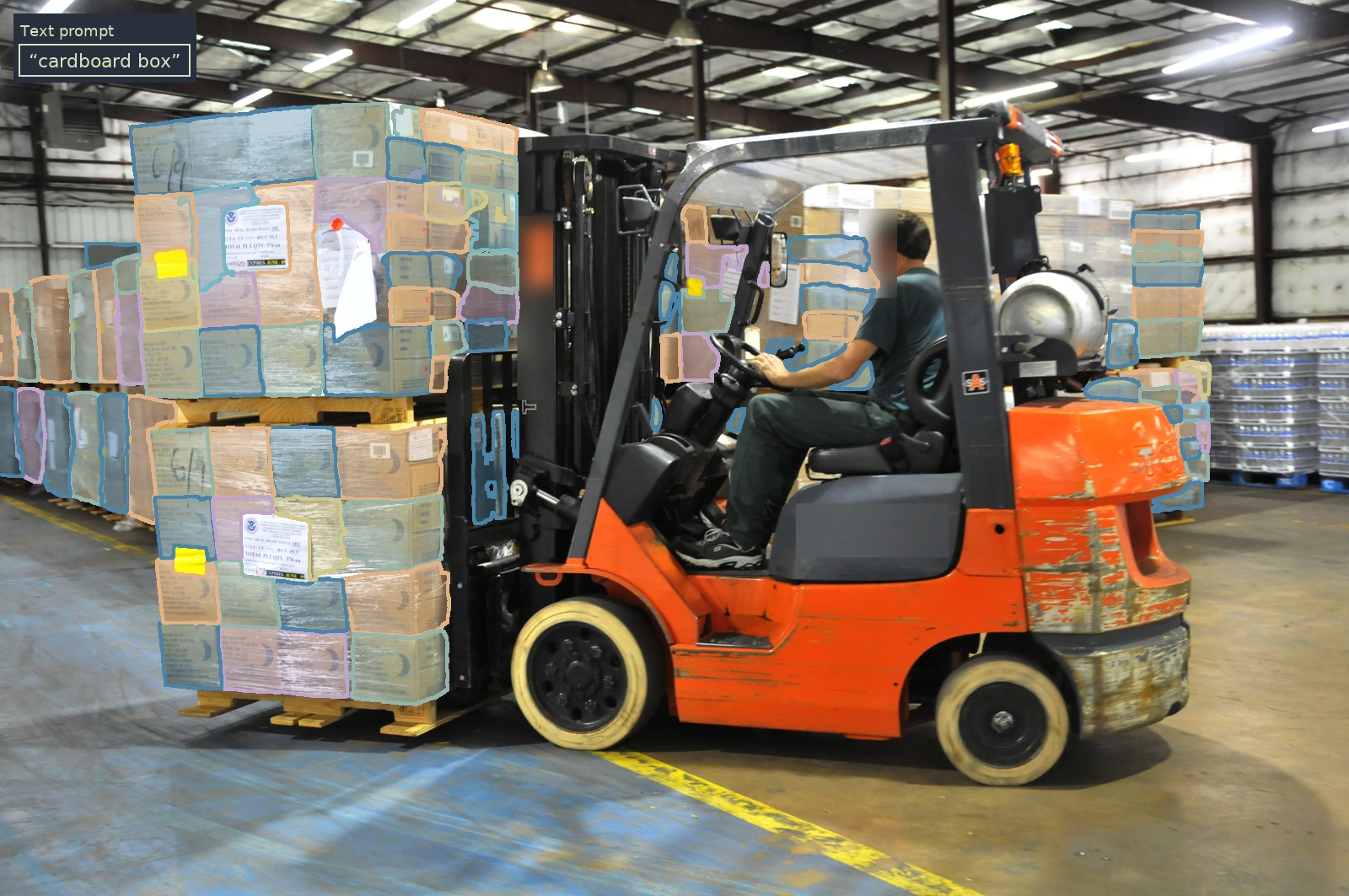
Segment from a text prompt
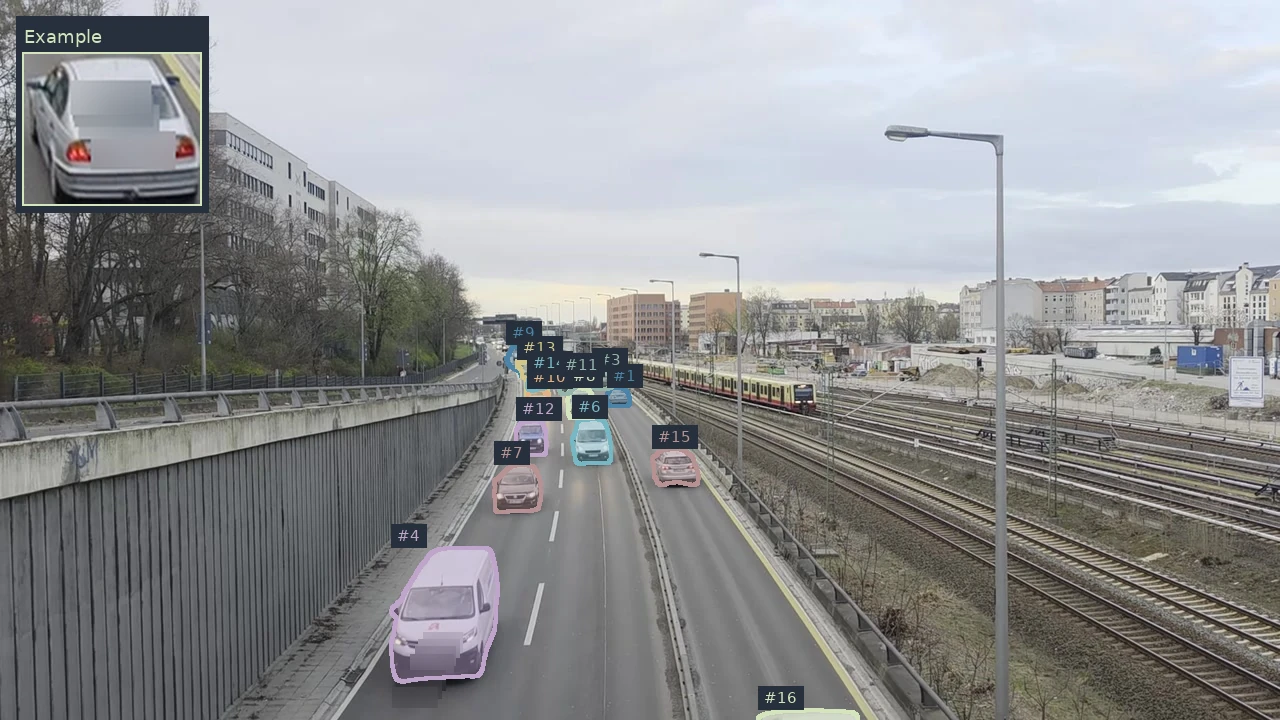
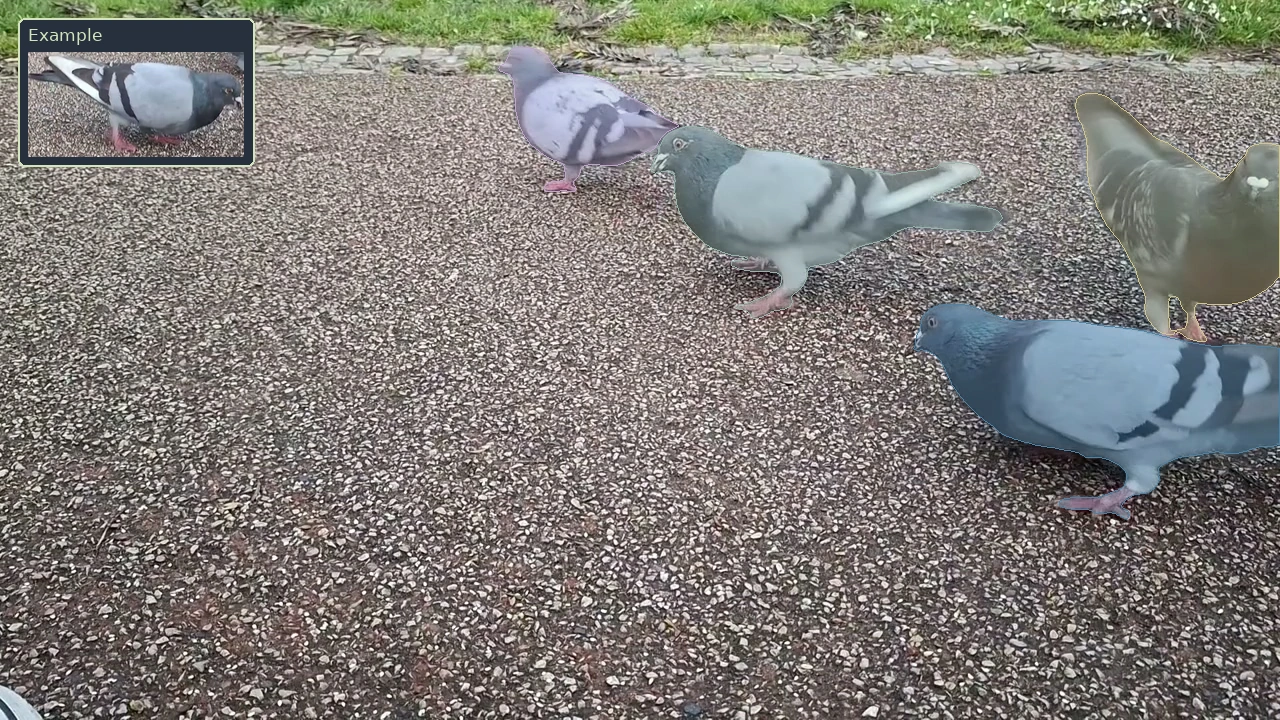
Segment & track from one example
POSE
TASK INTERPRETATION
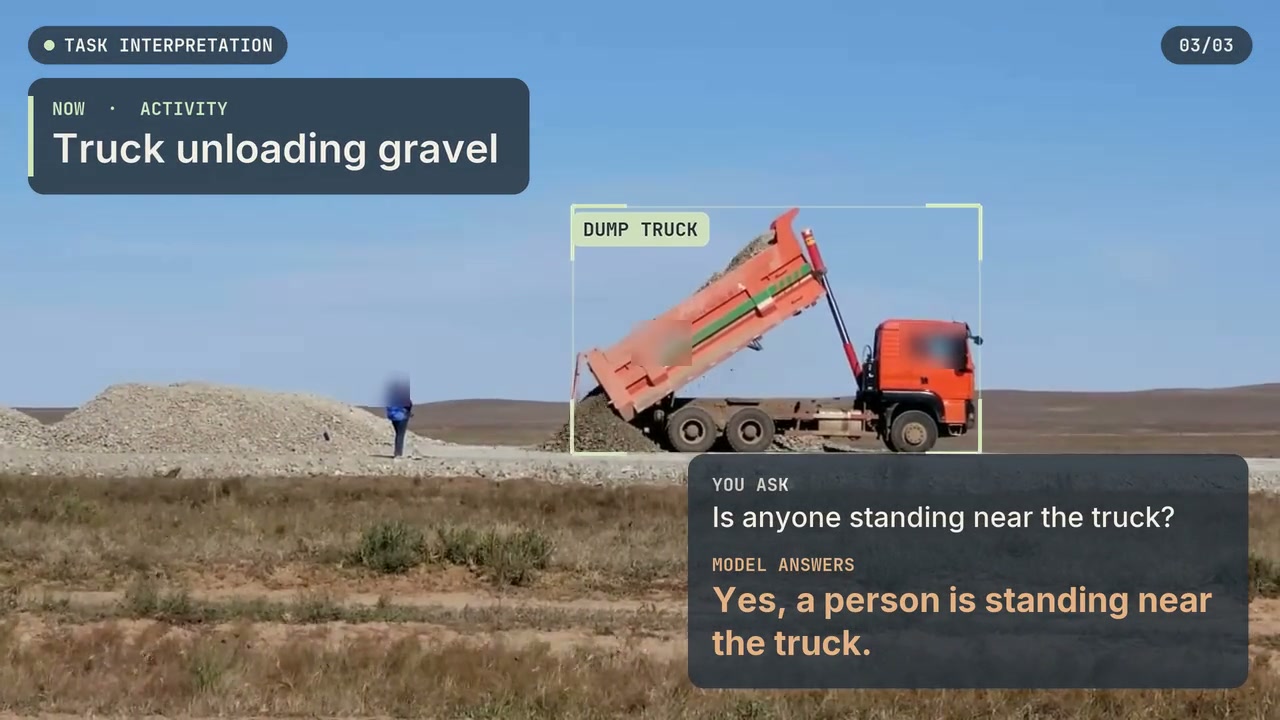
What’s happening · What matters · Where it is
LANGUAGE TO ACTION
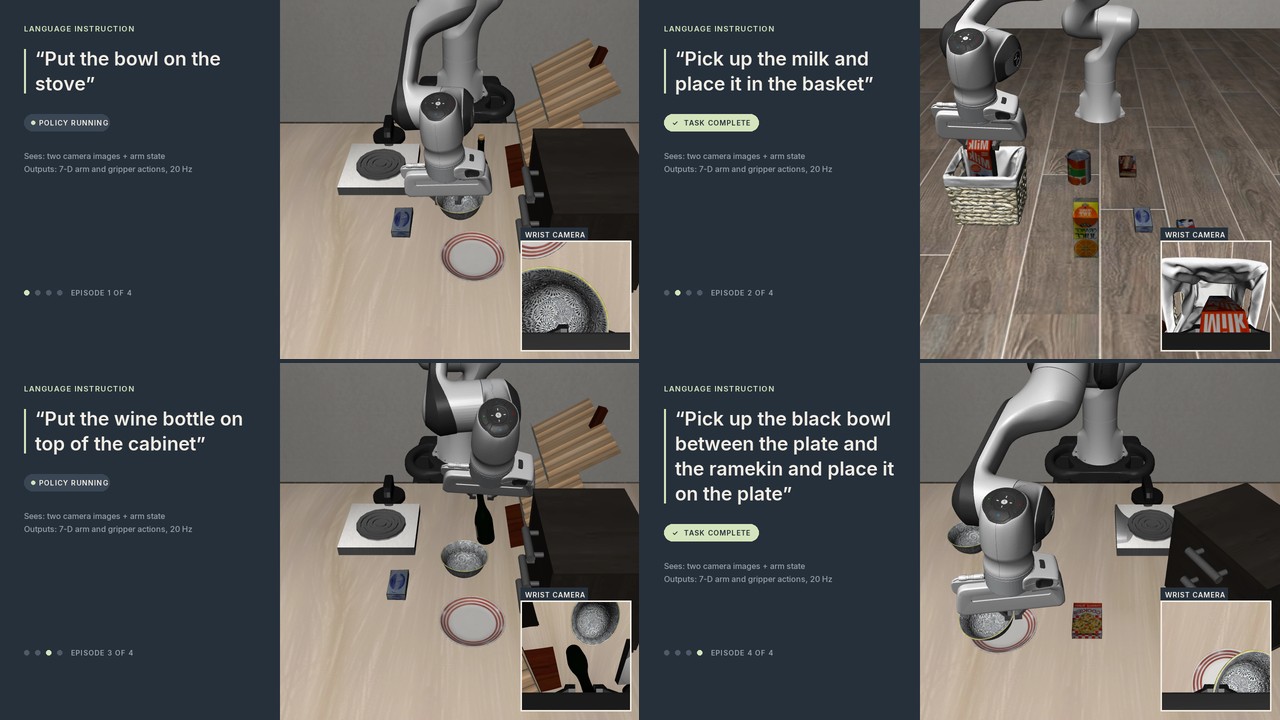
Instruction in. Robot actions out. Real-time.
CAPABILITIES
A focused capability or a connected system. We work with your team from the first technical question to an integrated prototype.
PERCEPTION
Recognize objects, segment what matters and follow it through motion.
Objects · Parts · People · Motion
GEOMETRY
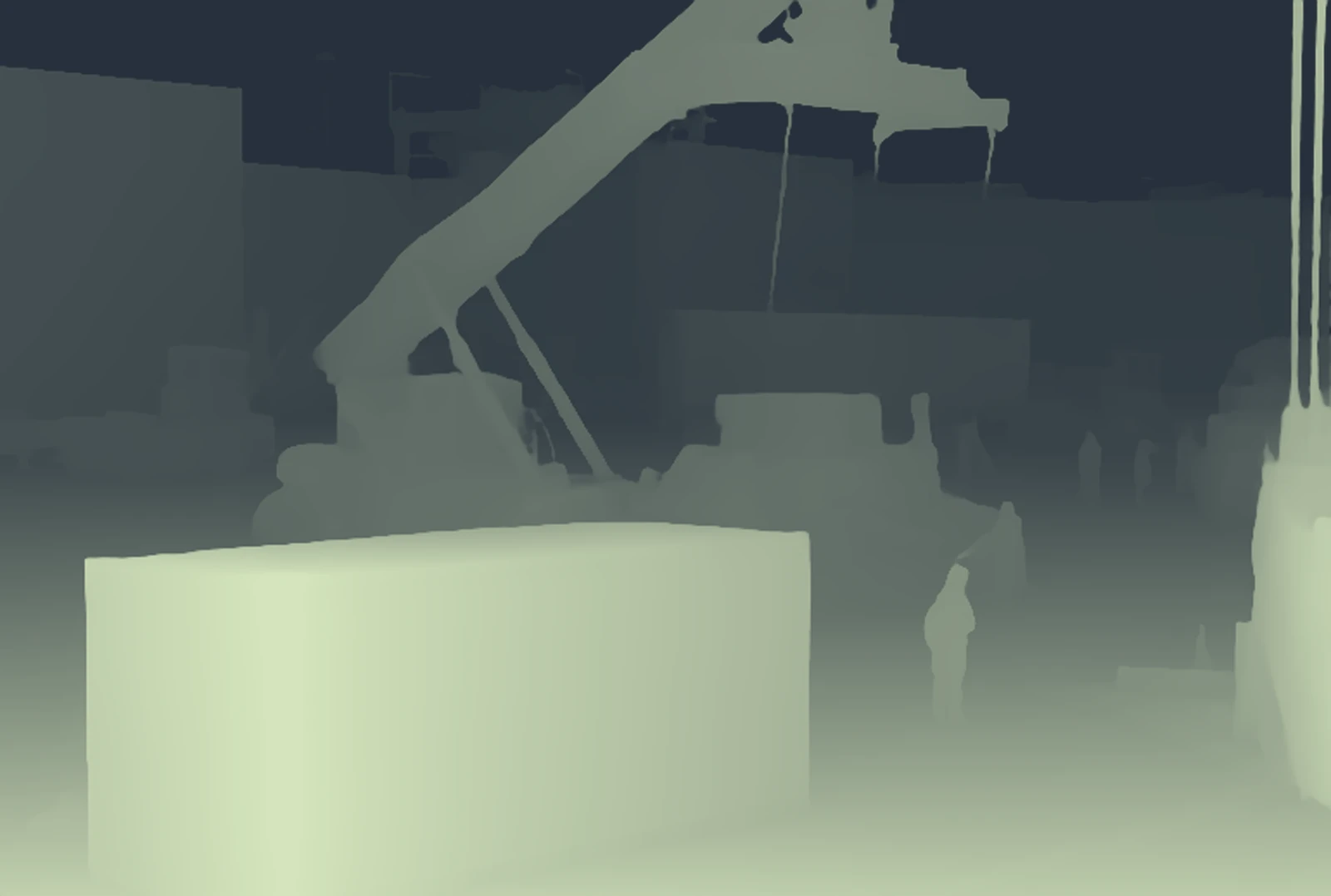
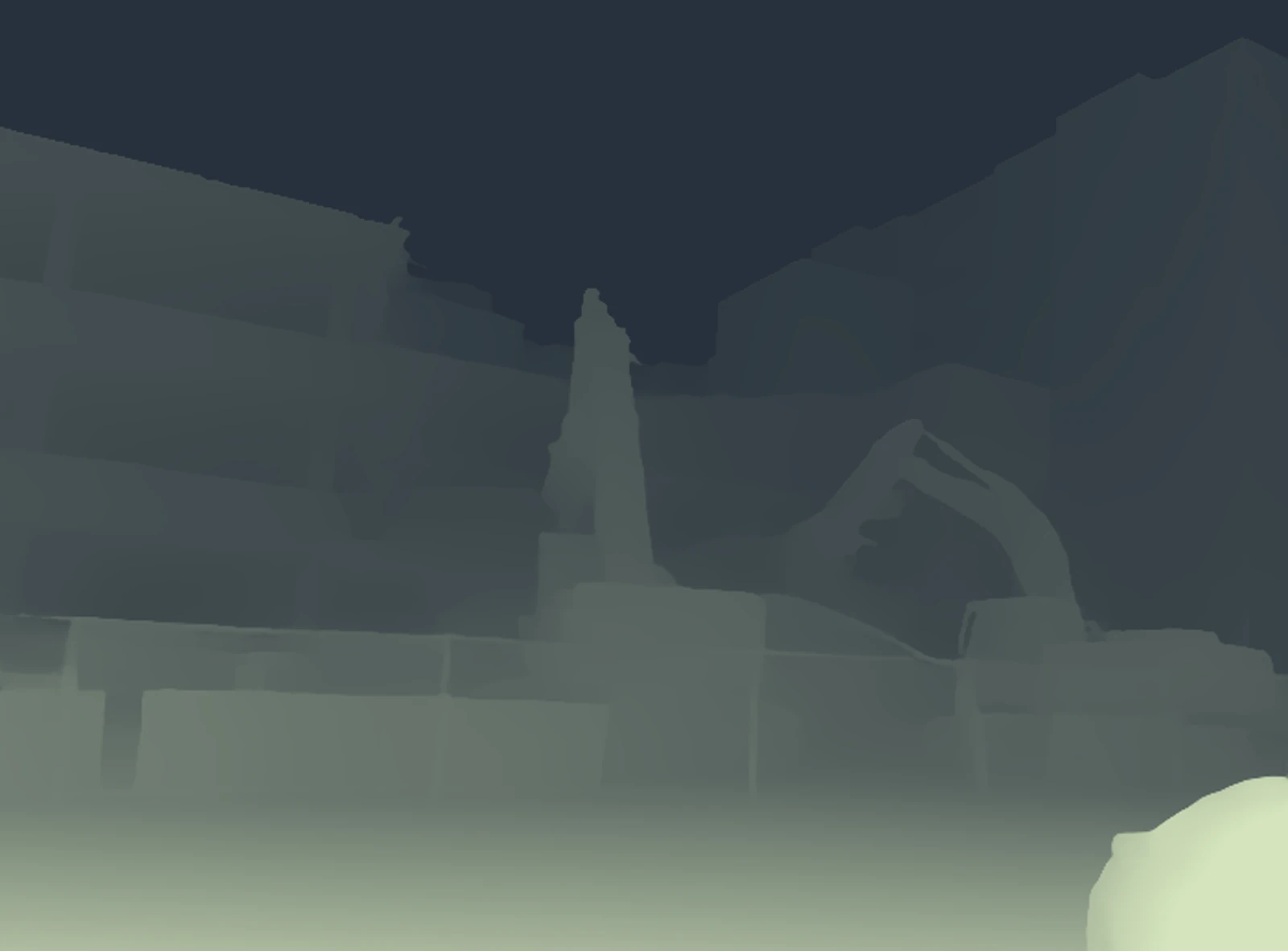
Turn images and depth into useful geometry, object poses and free space.
Depth · 3D geometry · Object orientation
POSITION & PLACE
Build maps and develop localization for machines operating beyond reliable GPS.
Position · Mapping · Reconstruction
CONTEXT & INTENT
Ground language in the scene, recognize activity and plan what comes next.
Instructions · Grounded targets · Task progress
LEARNED BEHAVIOR
Develop learned behavior for navigation, manipulation and implement control.
Navigation · Manipulation · Implement control
REAL-WORLD SYSTEMS
Connect models to onboard compute, real-time software and machine interfaces.
Onboard performance · Machine interfaces · Evaluation
APPLICATIONS
From worksites to workcells. Construction is our first focus, with capabilities that reach across vehicles and robotics.
Built around your platform
FIRST COMMERCIAL FOCUS
Site understanding, machine navigation, load handling and implement control. Develop around the equipment and the work it needs to perform.
MOBILITY
Perception, localization, spatial understanding and intelligent behavior for automotive research and development.
AERIAL SYSTEMS
Research into visual awareness, localization and onboard intelligence for aerial platforms, with assurance requirements defined for each program.
MANUFACTURING
Part and tool identification, assembly understanding, inspection and manipulation for industrial robots and automated workcells.
EMBODIED INTELLIGENCE
Understanding instructions, handling objects and developing adaptable behavior for robots working in human environments.
PURPOSE-BUILT MACHINES
Compact platforms and task-specific robots for inspection, transport and other focused applications, built around a clear operational need.
Deployment and assurance requirements are established for the intended machine, operating domain, and stage of development.
WORK WITH US
Bring a technical challenge. We’ll work with your team to explore the approach, build a prototype and connect it to the hardware.
Agree on the operational problem, existing baseline, operating limits, data access, and success criteria.
Test whether the proposed approach offers a measurable advantage and identify its limitations.
Establish the interfaces, compute, instrumentation, and testing required for a bounded machine demonstration.
Determine whether results justify additional tasks, conditions, or machine configurations.
Start with a focused feasibility study or build a longer-term development partnership.
Research scope, deliverables, data use, intellectual property, and commercialization rights are established through a negotiated development agreement.
ABOUT
Pazu Robotics is founder-led, with specialists brought in around each program. Joshua builds the technology himself, from camera drivers and GPU code to the models and the real-time software that runs them on the machine.
He has a decade of experience in AI and robotics, most recently in industry putting AI on autonomous vehicles, robot arms and drones: today at Autonomous Solutions, Inc. (ASI), and before that at Palladyne AI and Space Dynamics Laboratory.
More about Joshua at powerslabs.orgLET’S BUILD WHAT COMES NEXT
Tell us what you’re building and the capability you want to unlock.
From a first prototype to a connected robotics program, let’s find the right starting point.
hello@pazurobotics.comInvestors and partners: we’d be glad to walk you through the work. Ask for a walkthrough.
Please share only nonconfidential information in your initial inquiry. Appropriate confidentiality terms can be arranged before exchanging proprietary technical material.